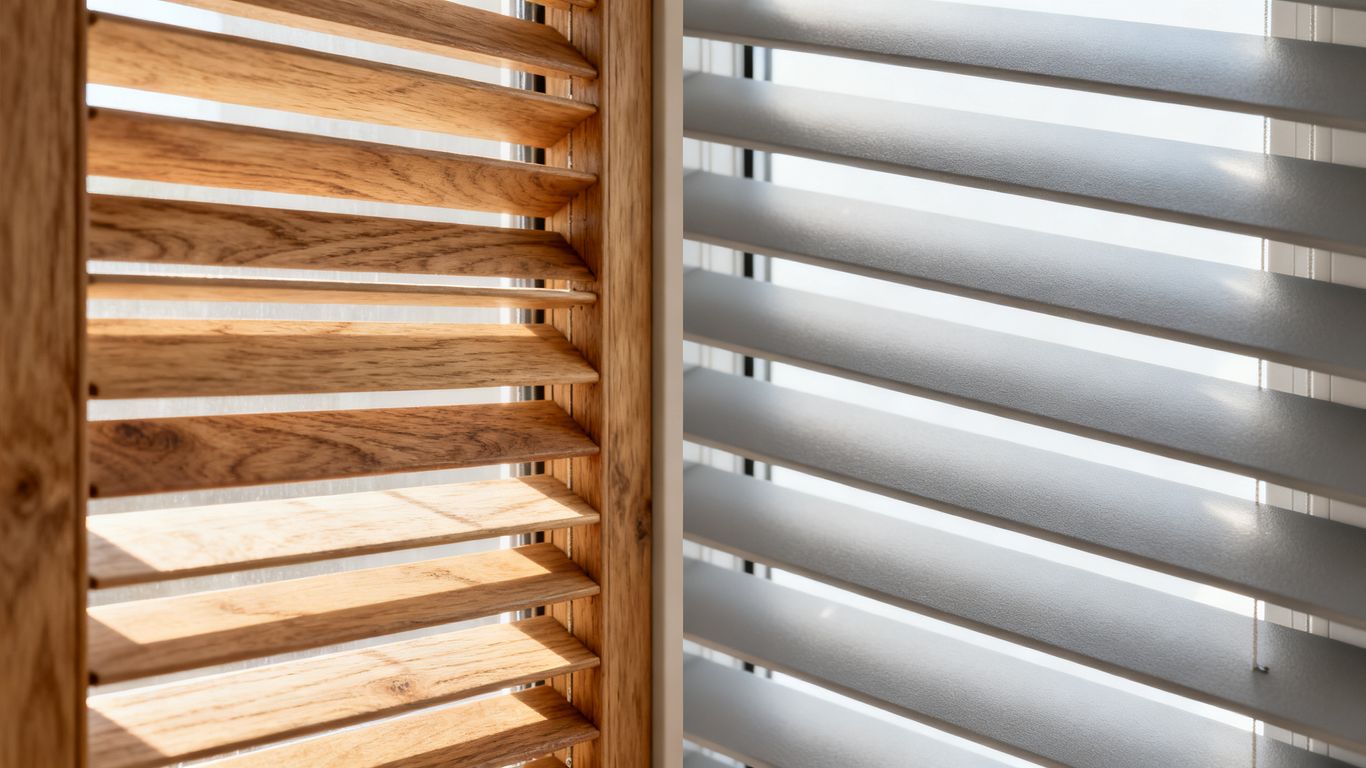
Picking out shutters for your place can be tricky, right? You've got the classic wood ones that look so nice, and then there are the composite ones that seem super practical. It's a real head-scratcher trying to figure out which is better, especially when you think about how they'll hold up in different weather. If you're stuck wondering about wood vs composite plantation shutters, don't worry, you're not alone. We're going to break down what makes each one tick so you can pick the best fit for your home, your life, and your wallet.
Key Takeaways
- Wood shutters offer a natural, classic look that can be customized with stains or paints, but they need more upkeep and can be sensitive to moisture.
- Composite shutters are built to last, resisting moisture, heat, and warping, making them a low-maintenance choice for various climates.
- When it comes to looks, wood has a unique warmth, while composite shutters provide a consistent, clean appearance that mimics wood.
- Both wood and composite shutters can help with energy efficiency, but composite materials are often designed with this in mind.
- Composite shutters are generally more budget-friendly upfront than wood shutters, though wood can offer long-term value and boost home resale appeal.
Understanding Wood Versus Composite Plantation Shutters
So, you're looking into plantation shutters and trying to figure out the difference between wood and composite, right? It can feel a bit confusing with all the terms thrown around. Let's break down what each one actually is, so you can start to see which might be a better fit for your home.
What Are Wood Shutters?
Wood shutters are exactly what they sound like: they're made from actual solid wood. Think hardwoods like basswood or poplar. People often go for these because they have this natural warmth and a beautiful grain pattern that you just can't perfectly replicate. They can be stained to show off that natural wood look or painted any color you can imagine. If you've got a more traditional home or you're going for a classic vibe, wood shutters really fit the bill. They offer a certain timeless elegance that many homeowners appreciate. Plus, they can be a good natural insulator, which is a nice bonus for keeping your rooms comfortable year-round.
What Are Composite Shutters?
Composite shutters, sometimes called "faux wood" shutters, are made from engineered materials. This usually means things like MDF (medium-density fiberboard) or a mix of wood fibers and plastics, often covered with a vinyl or polypropylene coating. The big selling point here is that they're built to be tough. They're designed to look a lot like real wood but are much more resistant to things like moisture, heat, and warping. This makes them a really practical choice, especially for rooms that might get a bit steamy, like bathrooms or kitchens, or if you live in an area with really humid weather. They tend to be a bit more budget-friendly upfront compared to solid wood, and they're generally super easy to clean – usually just a quick wipe-down is all they need. Many homeowners find them a great way to get that plantation shutter look without as much worry about upkeep or potential damage from the elements. If you're looking for window treatments that can handle a lot of wear and tear, composite shutters are definitely worth a look. You can find them in a variety of standard colors and finishes that give a clean, uniform look to your windows, fitting well with modern or transitional decor styles. For those in humid climates, these are often a smart choice for long-term durability.
When you're choosing between wood and composite, it's helpful to think about where the shutters will go in your house and what kind of climate you have. Some materials just handle moisture and temperature swings better than others, and that can make a big difference in how long they look good and how much work they are to maintain.
Comparing Key Factors: Wood vs. Composite Shutters
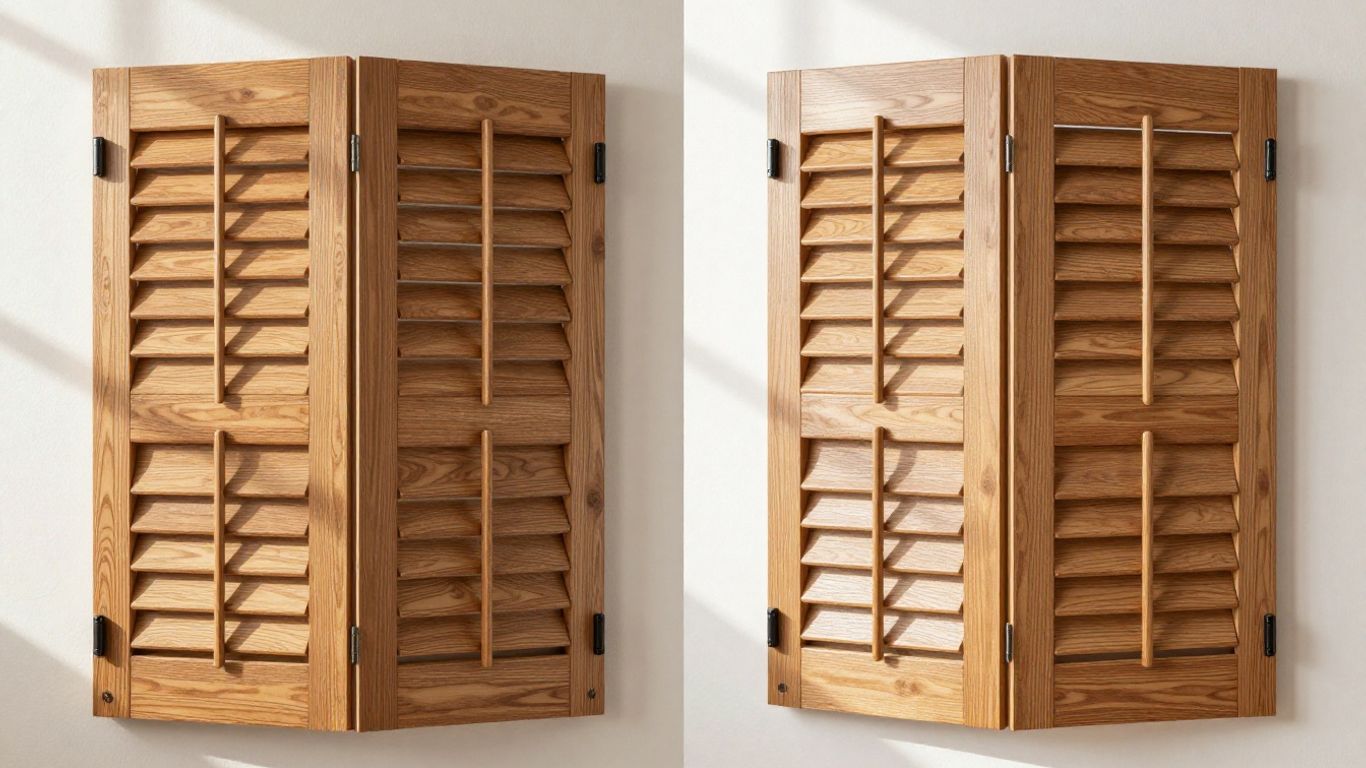
When you're trying to decide between wood and composite plantation shutters, it really comes down to a few main things. It's not just about looks, though that's a big part of it. We need to think about how they'll hold up over time, especially depending on where you live, and how much work you want to put into keeping them looking good.
Durability and Climate Suitability
This is a big one, especially if you live somewhere with crazy weather. Real wood shutters, while beautiful, can be a bit fussy. In places with lots of humidity, like near the coast or even just during a sticky summer, wood can swell, warp, or even crack over time. It's like how your wooden deck needs extra care in damp weather. Composite shutters, on the other hand, are built tough. They're made from materials that don't mind moisture or heat, so they're a safer bet for bathrooms, kitchens, or homes in humid climates. They just don't react to the weather the way wood does.
Here's a quick look at how they stack up:
| Feature | Wood Shutters | Composite Shutters |
|---|---|---|
| Moisture Resistance | Prone to warping/cracking in high humidity | Highly resistant to moisture and heat |
| Climate Suitability | Best for dry, temperate climates | Ideal for humid, coastal, or extreme climates |
| Warping/Cracking | Higher risk over time | Very low risk |
If you're in an area that sees a lot of temperature swings or high humidity, composite shutters often provide more peace of mind. They're designed to handle the elements without much fuss.
Maintenance and Longevity
Nobody wants to spend their weekends scrubbing shutters, right? Wood shutters look amazing, but they do need a bit more attention. You might need to re-seal or refinish them now and then, especially if they're exposed to a lot of sun or moisture. With good care, though, they can last for ages. Composite shutters are the low-maintenance champions here. Usually, a quick wipe-down with a damp cloth is all they need. They tend to hold up really well over the years, resisting fading and wear, which makes them a practical choice for busy homes. For a look at some durable options, you might want to check out custom window treatments.
Aesthetics and Customization
This is where wood really shines. There's just something about the natural grain and warmth of real wood that you can't quite replicate. If you're going for a classic, traditional look, or you love the idea of a rich stain that shows off the wood's natural beauty, wood is hard to beat. You can also paint them in pretty much any color imaginable. Composite shutters have gotten really good at mimicking wood, and they offer a clean, consistent look that works well in many homes, especially modern or transitional styles. They come in a good range of standard colors and finishes, but they might not have that same deep, organic texture you get with real wood. Still, for many people, the look they achieve is more than enough, especially considering the other benefits.
- Wood: Offers natural beauty, unique grain patterns, and can be stained or painted any color.
- Composite: Mimics wood appearance with a uniform finish, available in various standard colors and wood-like textures.
- Customization: Wood offers more flexibility for custom stains and paints, while composite typically relies on pre-set color options.
Ultimately, the choice often comes down to whether you prioritize the authentic feel and customizability of wood or the practical, easy-care nature of composite materials. For homeowners in areas with challenging climates, looking into custom wood shutters might still be an option, but understanding their maintenance needs is key.
Performance and Practical Considerations
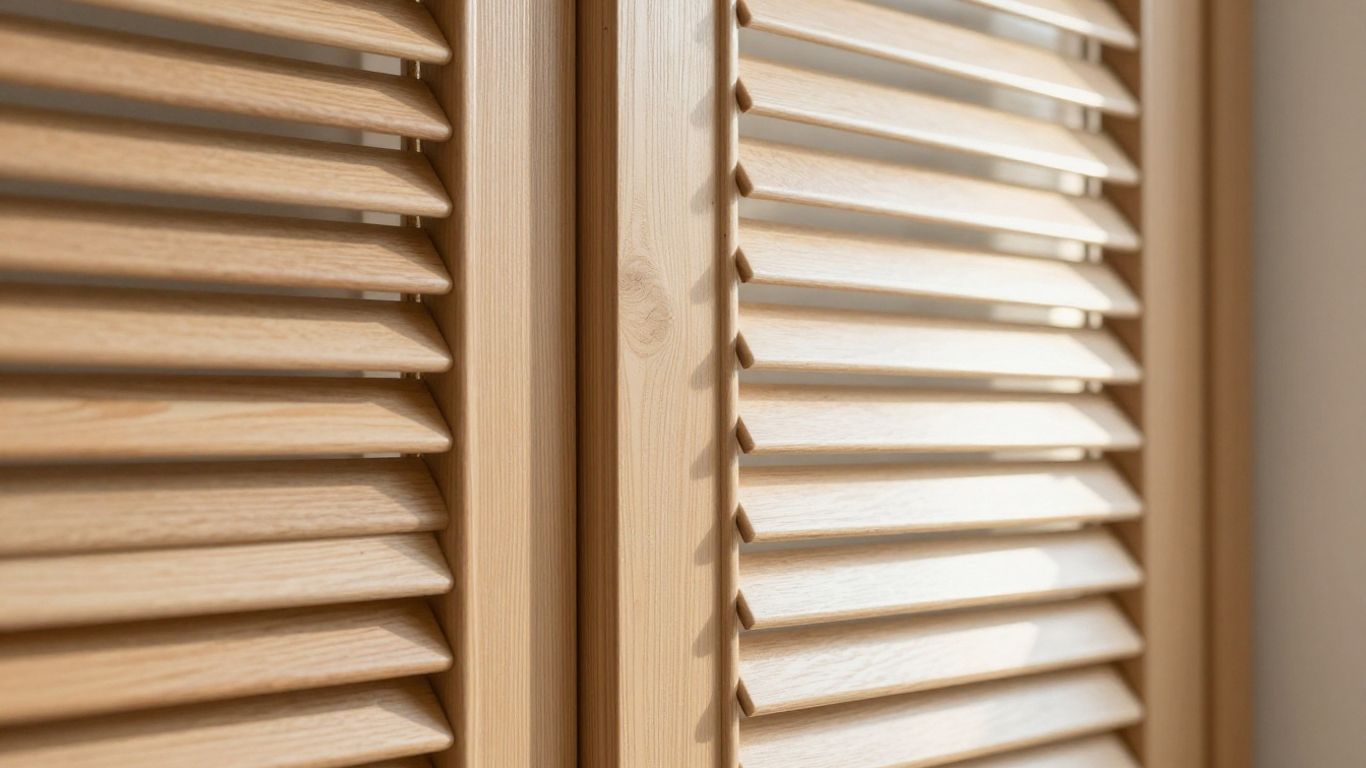
When you're picking out shutters, it's not just about how they look. You've got to think about how they actually work and how they'll hold up over time. This is where we look at things like how well they keep your house warm or cool, and how easy they are to get installed and what kind of backup you get.
Energy Efficiency and Insulation
Shutters can actually make a difference in your energy bills. They add an extra layer to your windows, which helps stop heat from escaping in the winter and keeps the hot air out in the summer. Think of it like adding a blanket to your windows. Wood shutters generally offer a decent R-value, which is a measure of how well something insulates. Composite shutters can also be quite good at this, depending on what they're made of. The better the insulation, the less your heating and cooling systems have to work.
Here's a quick look at how different window treatments stack up:
- Uncovered Window: R-value around 0.75-1.0
- Wood Shutters: R-value typically 2.0-4.0 (can be higher)
- Composite Shutters: R-value varies, often comparable to wood
Keeping your home at a comfortable temperature without running the AC or heater non-stop is a big win. It saves money and is better for the environment. Shutters play a role in this by reducing how much air moves in and out through your windows.
Installation and Warranty
Getting shutters put in can be a bit of a project. Some people like to do it themselves, but if you're not super handy, it might be worth hiring a pro. A good installer makes sure everything fits right and works smoothly. Many companies offer professional installation services, which can be a real lifesaver, especially if you have tricky window shapes. For example, companies in areas like Atlanta often have expert installation services to handle this. Always ask about the warranty that comes with your shutters. A good warranty covers things like manufacturing defects and can give you peace of mind. It shows the company stands behind its product. Some warranties might cover issues like warping or fading, which is especially important depending on your climate. Composite shutters, for instance, are known for their resilience against moisture and temperature changes, which can affect how long a warranty is valid or what it covers. Composite shutters are built to last, which often means a solid warranty is part of the deal.
Budget and Value Analysis
Cost and Budget Considerations
When you're looking at plantation shutters, the price tag can really vary. It's not just about the material, but also how big your windows are and how many you need. Generally, real wood shutters are the priciest option. They look great, sure, but they can put a dent in your wallet. Vinyl shutters are usually the most budget-friendly, while composite or faux-wood shutters fall somewhere in the middle. They give you a good balance of looks and cost.
Here's a rough idea of what you might expect to pay, though prices can change:
| Shutter Material | Approximate Cost Per Square Foot |
|---|---|
| Wood | $30 - $50+ |
| Composite/Faux Wood | $25 - $45 |
| Vinyl | $20 - $35 |
Keep in mind that these are just starting points. Custom colors, special finishes, or features like divider rails (which let you open the top and bottom sections separately) can add to the overall cost. If you're getting professional installation, that's usually rolled into the total price, which is pretty convenient. It's always a good idea to get a few quotes to compare.
The initial investment for shutters is something to think about, but it's worth considering what you're getting for your money. High-quality shutters can last a really long time, potentially saving you money on replacements or energy bills down the road.
Long-Term Value and Investment
So, you've picked out your shutters, but what about the long haul? Investing in good shutters isn't just about making your house look nice right now; it's also about adding lasting value. Wood shutters, while more expensive upfront, can offer a timeless appeal that many homeowners appreciate. They can really boost your home's curb appeal and potentially its resale value. Composite shutters are also a solid choice for long-term value. They hold up well against moisture and wear, meaning you won't be dealing with replacements anytime soon. This durability translates to less hassle and more savings over the years. Think about it like this:
- Durability: How well will they stand up to daily life?
- Maintenance: How much time and money will you spend keeping them looking good?
- Energy Savings: Can they help lower your heating and cooling bills?
While vinyl might be the cheapest upfront, it might not offer the same level of aesthetic appeal or longevity as wood or composite options. For many, the added cost of composite or wood shutters is justified by their extended lifespan and the improved comfort and style they bring to a home. It's about finding that sweet spot between your budget today and the value you'll get for years to come. If you're looking to add value and elegance, wood shutters are often a popular choice for their natural warmth.
Making The Right Choice For Your Home
Style Considerations
Picking out shutters isn't just about blocking light; it's about how they look and feel in your home. Think about the overall vibe you're going for. Do you want something that feels really traditional and classic, or are you leaning more towards a clean, modern look? Plantation shutters, with their wide louvers, tend to give off a more classic, airy feel. They can really make a room feel bigger and brighter. If you're aiming for a specific look, like matching your existing trim, both wood and composite can be painted or stained. Wood shutters often have a natural warmth that's hard to beat, but high-quality composites can mimic that look pretty well these days. Ultimately, the best style is the one that makes you happy every time you look at it.
Lifestyle and Usage
How you live in your home plays a big part too. If you have kids or pets running around, or if you live in a humid area like Florida, durability and ease of cleaning become super important. Wood shutters can be beautiful, but they might need a bit more TLC, especially in places with lots of moisture or direct sun. They can warp or fade if not cared for properly. Composite shutters, on the other hand, are generally tougher and can handle a bit more wear and tear. They're also a breeze to wipe down. If you're someone who likes to change things up often, or if you're just not into a lot of upkeep, a more low-maintenance option might be the way to go. For busy households, thinking about how easy they are to clean is a smart move.
Environmental Factors
Where you live really matters when choosing shutters. If you're in a place with extreme temperatures, like a desert climate with intense sun, or a very humid coastal area, the material choice is key. Wood shutters can be susceptible to damage from high humidity and intense heat, potentially leading to warping or cracking over time. Composite shutters are often a better bet in these conditions because they're designed to resist moisture and temperature fluctuations. They don't swell or shrink as much as wood can. This means they'll likely hold up better and look good for longer in challenging environments. It’s worth looking into options that are built to withstand your local weather, especially if you want them to last. You can find shutters designed for specific climates, which can make a big difference in their longevity and performance. For example, in areas with strong sun, you'll want something that offers good UV protection and won't degrade quickly. If you're in Atlanta, for instance, you might want to consider shutters that can handle both the heat and humidity Blind Pros offers expert installation of plantation shutters and other window treatments for homeowners in Atlanta and surrounding Georgia areas.
Choosing the right window coverings is more than just picking something pretty. It's about finding a solution that fits how you live, where you live, and what you want your home to feel like. Don't just go for the first thing you see; take a moment to think about the practical side of things.
So, Which Shutter Wins?
Alright, so we've gone over the good and the not-so-good of both wood and composite plantation shutters. It really boils down to what matters most to you and your home. If you're all about that classic, natural look and don't mind a bit of extra care, real wood shutters might be your jam. They just have a certain warmth you can't fake. But, if you're looking for something that can handle humidity like a champ, needs way less fuss, and won't break the bank quite as much, composite shutters are a really solid choice. Think about where you live, how much time you want to spend cleaning, and what your budget looks like. Either way, you're getting a great way to control light and add some style to your windows.
Frequently Asked Questions
What's the main difference between wood and composite shutters?
Wood shutters are made from real wood, giving them a natural, beautiful look that can be painted or stained. Composite shutters, also called faux wood, are made from engineered materials that look like wood but are tougher against moisture and wear. Think of wood as elegant but a bit delicate, and composite as strong and easy-going.
Which type of shutter is better for humid or coastal areas?
Composite shutters are usually the better choice for places with a lot of humidity or near the coast. They are built to resist moisture, so they won't swell, warp, or crack as easily as wood shutters might in damp conditions. This makes them a more reliable option for kitchens, bathrooms, or homes by the sea.
How much maintenance do wood and composite shutters require?
Wood shutters need a bit more attention. You might need to clean them carefully and sometimes reseal or refinish them to keep them looking good, especially if they're in a humid spot. Composite shutters are much simpler; a quick wipe with a damp cloth is usually all they need. They're a great pick if you prefer less upkeep.
Can I paint composite shutters?
Generally, no. Most composite shutters come in finished colors and aren't meant to be painted over. Painting them can sometimes damage the material or void the warranty. It's best to choose a color you like from the start or ask your supplier if there are special types that can be painted.
Are wood shutters more energy-efficient than composite ones?
Both types can help insulate your home and save energy. Wood is a natural insulator, and composite shutters are often designed with energy efficiency in mind. They both help keep your home warmer in the winter and cooler in the summer, which can lead to lower energy bills.
Which type of shutter is usually more expensive?
Wood shutters typically cost more upfront because of the natural material and the craftsmanship involved. Composite shutters are often more budget-friendly, offering a similar look for less money. However, consider the long-term value and how long each type is expected to last in your home.
Ready to Explore Your Options?
Blind Pros serves homeowners across the Atlanta metro — Fulton, Cobb, DeKalb, Fayette, Forsyth, and Cherokee counties. Call 770-609-7773 or request a free quote online.