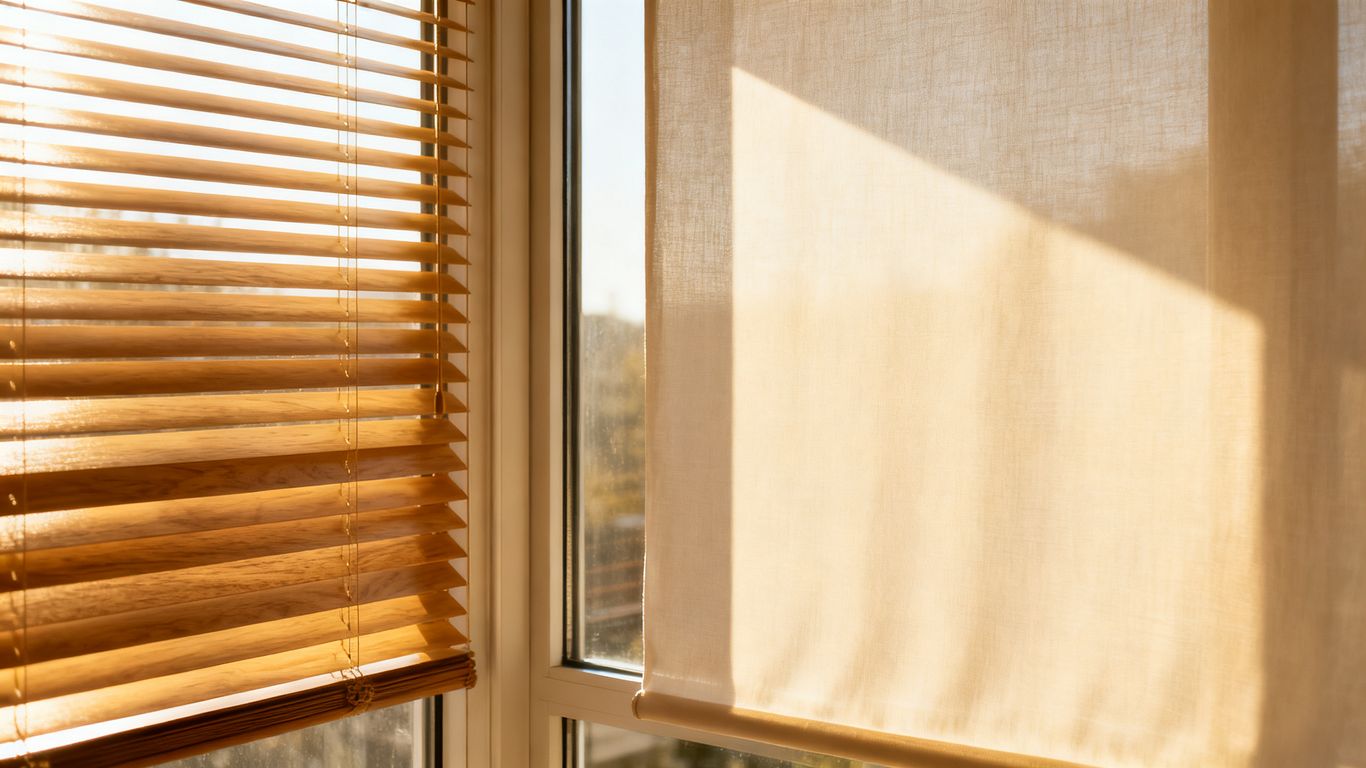
When deciding on window coverings, knowing the difference between blinds and shades is super helpful. Here are the main things to remember:
Key Takeaways
- Blinds have adjustable slats made from hard materials like wood or metal, allowing for precise light control.
- Shades are made of fabric and move up and down as a single unit, offering a softer look and varied light filtering.
- Blinds are generally more durable and easier to clean, making them good for busy areas like kitchens.
- Shades often provide better insulation and can create a cozier atmosphere, ideal for bedrooms.
- The best choice depends on your style, how you want to control light, and the room's function.
Understanding the Core Difference Between Blinds and Shades
When you're looking to dress up your windows, you'll quickly run into two main categories: blinds and shades. It's easy to mix them up, but they're actually quite different in how they're made and how they work. Knowing the distinction is the first step to picking the right ones for your home.
Defining Blinds: Hard Materials and Adjustable Slats
Think of blinds as the more structured option. They're typically made from rigid materials like wood, faux wood, vinyl, or even aluminum. The defining feature of blinds is their construction: a series of horizontal (or sometimes vertical) slats. These slats can be tilted using a cord or wand. This tilting action is what gives you a lot of control over how much light comes in and how much privacy you get. You can angle them to bounce light off the ceiling, let in a sliver of light, or close them up tight for full privacy. It's like having a lot of little windows within your window.
Defining Shades: Soft Fabrics and Single Motion Operation
Shades, on the other hand, are all about soft fabrics. Instead of slats, they're made from a single piece of material that hangs flat. When you want to open them, they simply roll up, fold up, or concertina up, usually in one smooth motion. This could be a roller shade that coils at the top, a Roman shade that folds neatly, or a cellular shade that collapses. Because they're made of fabric, they offer a softer look and feel compared to the more angular blinds. The way they operate is generally simpler – up or down, with less fine-tuning of light angles.
Key Distinctions in Construction and Appearance
The main differences boil down to a few key points:
- Material: Blinds use hard, rigid materials, while shades use flexible fabrics.
- Operation: Blinds have adjustable slats for precise light control. Shades operate by raising or lowering a single piece of fabric.
- Look: Blinds tend to have a more structured, sometimes utilitarian appearance. Shades offer a softer, more uniform, and often decorative look.
Here’s a quick rundown:
| Feature | Blinds | Shades |
|---|---|---|
| Material | Wood, faux wood, vinyl, aluminum | Fabric (roller, Roman, cellular, woven) |
| Structure | Horizontal or vertical slats | Single piece of fabric |
| Light Control | Precise adjustment via slat tilt | Overall filtering or blackout (fabric dependent) |
| Appearance | Structured, classic | Soft, modern, uniform |
Choosing between blinds and shades isn't just about looks; it's about how you want to interact with the light and privacy in your room. Understanding these basic construction differences is the first step to making the right choice for your home. If you're looking for a window treatment that offers a lot of flexibility in light management, blinds might be your go-to. If a softer aesthetic and simpler operation are more your style, shades could be the better fit.
Ultimately, the choice between blinds and shades often comes down to personal preference and the specific needs of each room. Both have their own unique advantages, and knowing these core differences will help you decide which type of window treatment will best suit your home's style and functionality. For many, the decision hinges on whether they prioritize the precise light control offered by blinds or the softer, more uniform look of shades.
Light Control and Privacy: A Key Differentiator
When you're picking out window treatments, how much light you want to let in and how private you need your space to be are usually pretty big deals. It’s not just about looks, right? Blinds and shades handle these two things in pretty different ways, and knowing that can really help you decide.
Blinds: Precision Light Adjustment with Tilting Slats
Blinds are known for giving you a lot of control over the light. Think about those horizontal slats you see on many blinds. You can tilt them to different angles. This means you can let in a little bit of light, a lot of light, or block it out almost completely, all without having to raise the blind itself. It’s like having a dimmer switch for your windows.
- Fine-tuning light: Adjust the angle of the slats to get just the right amount of sunshine.
- Blocking glare: Tilt them to stop harsh sunlight from hitting your TV or computer screen.
- Maintaining views: You can often angle the slats to see out while still keeping people from seeing in.
This kind of precise control is a big reason why people choose blinds, especially for rooms where you need to manage light carefully, like home offices or media rooms. They offer a level of adjustability that's hard to beat. For more information on how different window treatments affect your home, you can check out custom window treatments.
Shades: Variable Light Filtering and Blackout Options
Shades, on the other hand, work differently. They're usually a single piece of fabric that you pull up or let down. Because of this, their light control is more about the type of fabric used. You can get shades that filter light softly, making a room feel cozy and diffused. Or, you can go for blackout shades, which are fantastic for bedrooms or any space where you want complete darkness. They don't offer that same slat-by-slat adjustment, but they provide a clean, uniform look when they're down.
- Light Filtering: Softens natural light, creating a gentle ambiance.
- Room Darkening: Reduces light significantly, but some light might still peek through.
- Blackout: Blocks nearly all light for maximum darkness.
Comparing Privacy Levels Offered by Blinds vs. Shades
When it comes to privacy, both blinds and shades can do a good job, but they achieve it differently. With blinds, you can tilt the slats to look out while keeping your interior hidden. This is a really neat trick for maintaining privacy without sacrificing your view entirely. Shades offer privacy when they are fully lowered. If you need to see out, you have to raise the shade, which then exposes the window. However, some shades, like cellular shades, can offer a bit of privacy even when partially lowered due to their construction.
The choice between blinds and shades often comes down to how you want to interact with the light and your view. Blinds give you more granular control, while shades offer a simpler, more uniform approach to light management and privacy.
Ultimately, understanding these differences in light control and privacy is a big step in picking the right window coverings for your home. It’s about matching the function to your lifestyle. For example, if you're looking for ways to keep your home comfortable year-round, cellular shades are a great option to consider for their insulation properties.
Material Versatility and Durability
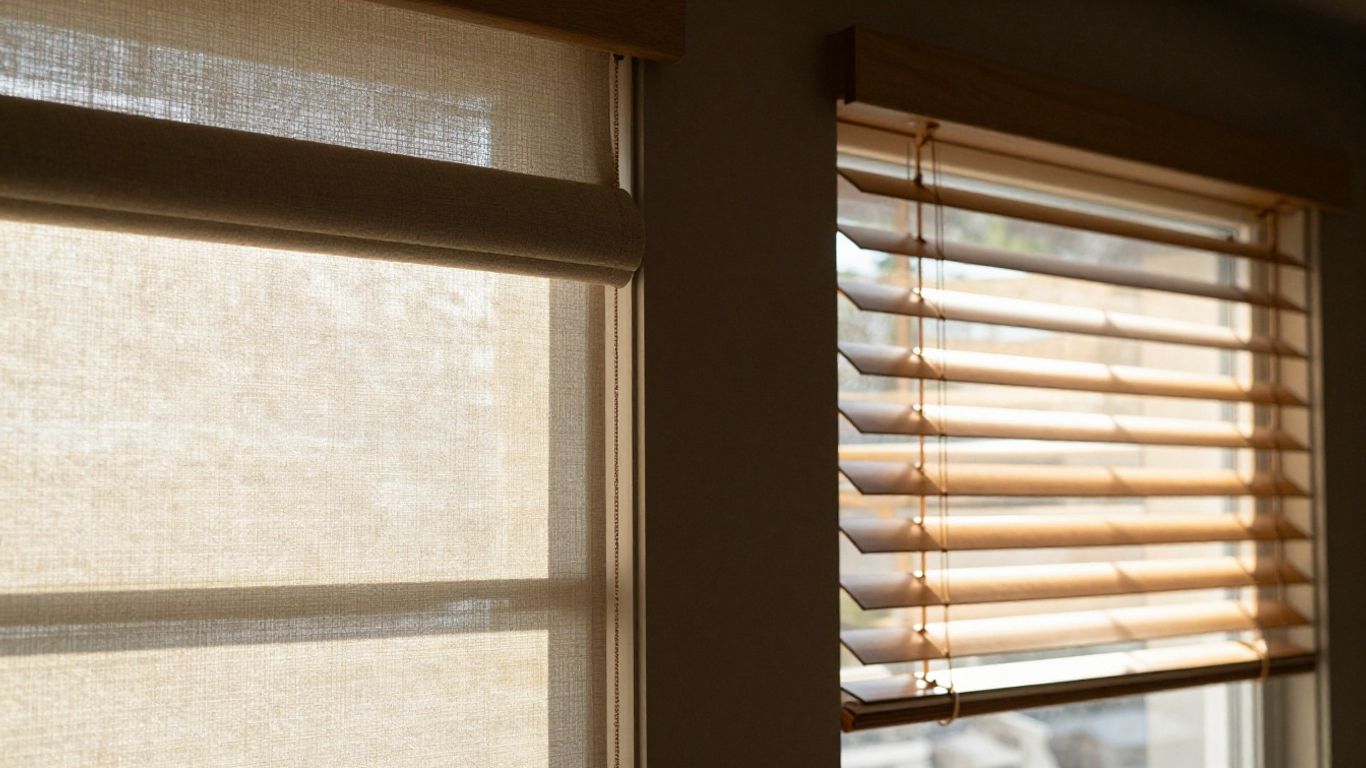
When you're picking out window treatments, the stuff they're made of really matters. It affects how they look, how long they last, and even how you clean them. Blinds and shades definitely have different vibes when it comes to materials.
The Range of Materials Used for Blinds
Blinds are typically made from harder, more rigid materials. Think wood, faux wood, or even aluminum. Wood blinds bring a natural warmth and can be stained or painted to match your decor, but they can be sensitive to moisture. Faux wood is a popular choice because it mimics the look of real wood but holds up much better in humid places like kitchens and bathrooms. Aluminum blinds are lightweight and often come in a wide array of colors, making them a budget-friendly option. Generally, you can expect blinds made from these materials to last about 5 to 6 years. They're pretty straightforward to clean, usually just needing a quick wipe-down.
Fabric Choices and Construction of Shades
Shades, on the other hand, are all about fabric. This is where you get a ton of variety. You've got roller shades, which are basically a flat piece of fabric that rolls up. Then there are Roman shades, which fold up neatly into pleats, giving them a more elegant look. Cellular shades, also known as honeycomb shades, have a unique construction with air pockets that help with insulation. Woven shades bring in natural textures like bamboo or reeds. The fabric itself can range from sheer and light-filtering to completely opaque for blackout effects. This fabric construction means shades can offer a softer, more contemporary feel compared to the structured look of blinds. You can find some really interesting styles of shades that can totally change the mood of a room.
Durability and Maintenance Considerations
Durability really depends on the material and how you use them. Blinds, especially those made of wood or faux wood, can be prone to damage if not handled carefully. Tilting the slats too forcefully or yanking on the cords can lead to issues over time. Aluminum blinds can sometimes bend or get dented. Shades, being fabric, can be more susceptible to stains or fading from direct sunlight over many years. However, many modern shade fabrics are treated to resist UV rays and are quite durable. Cleaning is another factor. Blinds often require dusting individual slats, which can be time-consuming. Shades might need gentle vacuuming or spot cleaning, depending on the fabric type. For high-traffic areas or rooms prone to moisture, like kitchens or bathrooms, faux wood blinds or certain types of durable shades might be a better bet than delicate fabrics or real wood. It's worth considering how much wear and tear your window treatments will get before making a final choice.
Style and Ambiance: Aesthetic Considerations
When you're picking out window coverings, how they look and the vibe they give off is a pretty big deal, right? It's not just about blocking the sun; it's about making your place feel like you. Blinds and shades really bring different things to the table in this department.
The Structured Look of Blinds
Blinds, with their distinct slats, tend to give off a more structured, sometimes even formal, appearance. Think about wood blinds – they can add a warm, classic feel, especially in a dining room or living area. They offer a clean, linear look that can really define a window. Faux wood blinds are similar but often a more practical choice for places like bathrooms or kitchens where moisture might be an issue. The ability to choose slat width also plays a role; wider slats can feel more substantial and traditional, while narrower ones might appear more modern. The crisp lines of blinds can really complement a variety of interior design styles, from traditional to contemporary.
The Soft and Modern Appeal of Shades
Shades, on the other hand, usually bring a softer, more flowing aesthetic. Because they're made from fabric, they drape and fold, creating a gentler visual effect. Roller shades, for instance, offer a minimalist design that can blend right into your decor, providing a clean look without a lot of fuss. Roman shades, with their elegant folds, can add a touch of sophistication. Then there are cellular shades, which have a unique honeycomb structure that not only looks interesting but also offers insulation. The sheer variety of fabrics, colors, and patterns available for shades means you can really tailor them to your specific style, whether you're going for cozy, chic, or something else entirely. They can really enhance home interiors by improving the overall ambiance.
Matching Window Treatments to Your Home's Decor
So, how do you pick the right one for your space? It really comes down to the overall feel you're trying to achieve.
- For a more traditional or formal setting: Wood blinds or even plantation shutters (which are a type of blind) can add a sense of classic elegance.
- For a modern, minimalist look: Sleek roller shades or simple Roman shades in neutral tones often work best. These interior roll shades are designed to be unobtrusive.
- For a cozy, lived-in feel: Consider textured fabrics for shades or the natural warmth of wood blinds.
- For high-traffic areas or rooms needing easy cleaning: Blinds, especially faux wood or vinyl, are often a more practical choice.
Ultimately, the goal is to find window treatments that not only function well but also contribute positively to the look and feel of your room. Don't be afraid to mix and match or consider how the window treatment will look when it's both open and closed. It's all part of creating a cohesive and comfortable home environment.
Here's a quick rundown of how they generally stack up aesthetically:
| Feature | Blinds | Shades |
|---|---|---|
| Appearance | Structured, linear, defined | Soft, flowing, draped |
| Feel | Can be classic, formal, or casual | Often modern, elegant, or cozy |
| Versatility | Good for clean lines, various materials | Excellent for fabric textures and patterns |
| Best For | Precise control, defined look | Softness, ambiance, minimalist style |
Energy Efficiency and Insulation Benefits
When we talk about window treatments, it's easy to get caught up in how they look or how they operate. But let's not forget about what they can do for your home's comfort and your energy bills. Both blinds and shades can play a role in keeping your house warmer in the winter and cooler in the summer, but they go about it in slightly different ways.
How Shades Contribute to Home Insulation
Shades, especially cellular or honeycomb styles, are pretty neat when it comes to insulation. Their construction creates little pockets of air, and trapped air is a fantastic insulator. Think of it like a thermos for your window. This trapped air acts as a barrier, slowing down heat transfer. So, in the winter, it helps keep the warm air inside your home from escaping through the glass. Come summer, it can help block some of that intense heat from baking your rooms. This ability to create an insulating layer makes shades a strong contender for improving your home's overall energy performance. They can really make a difference in how comfortable your rooms feel, regardless of the weather outside.
The Energy Efficiency of Different Blind Materials
Blinds, on the other hand, offer energy efficiency through their material and design. For instance, wood or faux wood blinds can provide a decent amount of insulation. They're solid materials, and when closed, they create a barrier. Aluminum blinds, while stylish, aren't typically known for their insulating properties. However, even with blinds, the way you use them matters. Closing them during the hottest part of the day can help block direct sunlight, reducing how much heat enters your home. Some specialized blinds might even have reflective coatings or thicker slats to boost their insulating capabilities. It's all about how well they can block heat transfer, whether it's keeping heat out or in.
Comparing Energy Performance: Blinds vs. Shades
So, how do they stack up against each other? Generally speaking, shades, particularly cellular ones, tend to have an edge in insulation because of their unique construction. They're designed to trap air. Blinds offer a different kind of benefit; they excel at precise light control, which indirectly impacts energy use by managing solar heat gain. However, for pure insulation, shades often win out.
Here's a quick look at what you might expect:
- Cellular Shades: Excellent insulation due to trapped air pockets.
- Wood/Faux Wood Blinds: Offer moderate insulation when closed.
- Aluminum Blinds: Minimal insulating properties, primarily for light control.
- Plantation Shutters: Often considered top-tier for insulation due to their solid construction and tight fit, effectively sealing windows [9869].
While both window treatments can help manage your home's temperature, the specific design and material play a big part. Cellular shades are built for insulation, while blinds offer more flexibility in light management. Choosing the right one depends on whether your main goal is to keep heat out, keep heat in, or precisely control sunlight throughout the day.
Ultimately, adding any window treatment is a step towards better energy management for your home. It's a simple way to potentially lower those monthly utility bills and make your living space more comfortable year-round. If you're looking to make a significant impact on your home's energy efficiency, exploring options like cellular shades or well-fitted shutters can be a great starting point [f3cc].
Choosing the Right Window Treatment for Your Needs
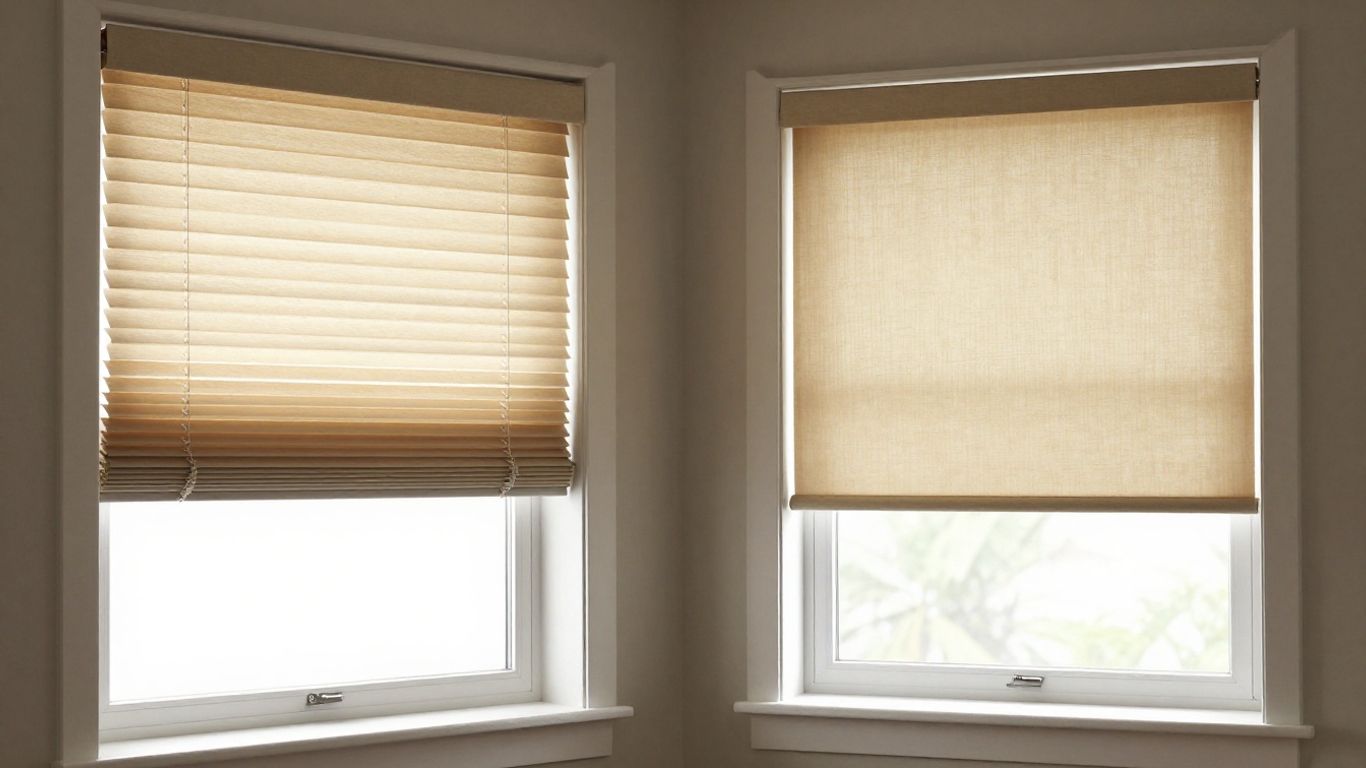
So, you've learned all about the nitty-gritty differences between blinds and shades – how they're made, how they work, and what they look like. Now comes the big question: which one is actually right for your home? It's not always a clear-cut decision, and honestly, it often comes down to what you need the window treatment to do and what vibe you're going for.
When to Opt for Blinds Over Shades
Blinds are often the go-to when you need really specific control over light and airflow. Think about a home office where you need to cut glare on your computer screen without plunging the room into darkness. The ability to tilt those slats offers a level of precision that shades just can't match. They're also generally pretty tough and easy to wipe down, making them a solid choice for busy areas like kitchens or kids' rooms. If durability and straightforward light management are top priorities, blinds are probably your best bet. They can also be a more budget-friendly option, especially if you're looking at vinyl or aluminum styles.
When Shades Are the Superior Choice
Shades really shine when you're after a softer look and feel, or when energy efficiency is a big concern. Cellular or honeycomb shades, for instance, can add a surprising amount of insulation, helping to keep your home cooler in the summer and warmer in the winter. This can translate into noticeable savings on your energy bills. They also offer a cleaner, more streamlined appearance that works well in modern or minimalist interiors. If you want a room to feel cozy and elegant, like a bedroom or living room, shades can really set that mood. Plus, with options ranging from sheer to completely blackout, you can tailor the light filtering to your exact preference.
Factors Influencing Your Decision: Lifestyle and Room Function
When you're trying to decide, really think about how you use each room. Is it a high-traffic area that needs something easy to clean, like a kitchen? Or is it a quiet space where ambiance is key, like a nursery? Consider who lives in your home – do you have pets or young children who might be a bit rough on window treatments? The amount of natural light a room gets is also a big factor. A room that gets intense afternoon sun might benefit more from the light-filtering capabilities of certain shades, while a room with less natural light might do better with blinds that can be opened fully to let in as much light as possible. It's also worth looking at the overall style you're aiming for. Blinds tend to have a more structured look, while shades offer a softer, more flowing aesthetic. Ultimately, the best choice is the one that fits your daily life and makes your space feel just right. For more insights on making the right pick, check out how to choose window treatments.
Don't forget to think about maintenance. Some blinds require dusting each slat, while many shades can be vacuumed or spot-cleaned. Consider how much time you're willing to spend on upkeep when making your final decision.
Conclusion
So, you've learned about the main differences between blinds and shades. Blinds have slats made of hard stuff like wood or vinyl, and you can tilt them to control light. Shades are softer, usually made of fabric, and they go up and down as one piece. Think about what you need most: precise light control and durability might point to blinds, while a softer look and better insulation could mean shades are the way to go. No matter which you choose, both can make your home look great and feel more comfortable. It's all about picking the right fit for your windows and your life.
Frequently Asked Questions
What's the biggest difference between blinds and shades?
The main difference is what they're made of and how they work. Blinds have little strips, called slats, that you can tilt to let light in or block it out. They're usually made of wood, fake wood, or metal. Shades are made of fabric, like a big curtain, and they just roll up or fold up all at once.
Can blinds block out all the light?
Yes, many types of blinds can block out most of the light. By tilting the slats just right, you can stop almost all the sun from coming in. Some blinds are even made to be extra good at blocking light, which is great for bedrooms.
Are shades good for saving energy?
Some shades are really good at helping your home stay warm in the winter and cool in the summer. Shades called 'cellular' or 'honeycomb' shades have little pockets that trap air, which acts like a blanket for your windows. This can help lower your energy bills.
Which is better for a bathroom, blinds or shades?
For bathrooms, blinds are often a better choice. This is because bathrooms can get steamy and wet. Blinds made from materials like faux wood or vinyl don't get damaged by moisture as easily as fabric shades do. Plus, they're usually easier to wipe clean.
Do blinds look old-fashioned?
Not at all! While some blinds have a classic look, there are tons of modern styles, colors, and materials available now. You can get sleek wood blinds, cool metal ones, or even faux wood blinds that look great in almost any room. It really depends on the style you pick.
Can I get shades that offer complete privacy?
Absolutely! Shades come in different fabrics, and some are totally opaque, meaning you can't see through them at all. These are called blackout shades and are perfect for bedrooms or media rooms where you want total darkness. Others let in a little light while still keeping your space private.
Ready to Explore Your Options?
Blind Pros serves homeowners across the Atlanta metro — Fulton, Cobb, DeKalb, Fayette, Forsyth, and Cherokee counties. Call 770-609-7773 or request a free quote online.