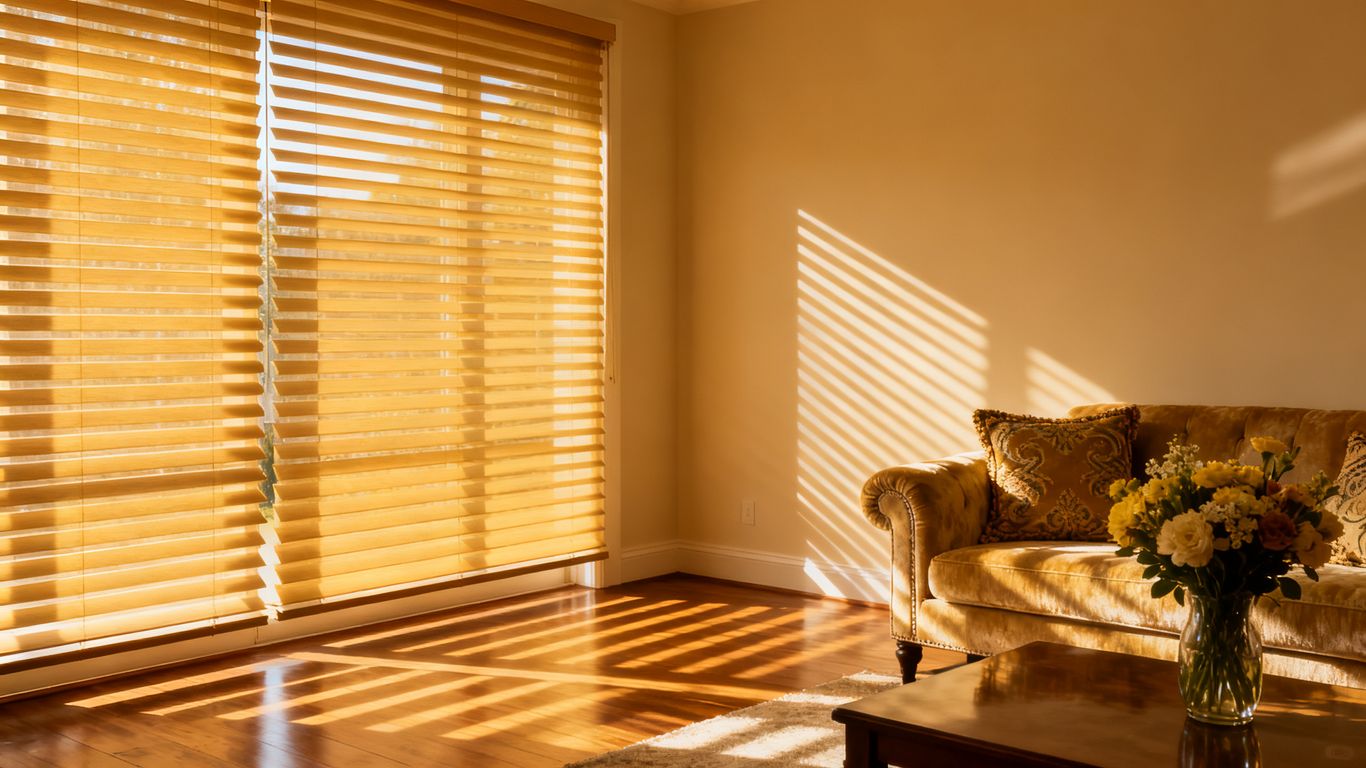
So, you've got blinds, and you're wondering the best way to close them. It’s not as simple as just pulling a cord, you know? There's actually a bit of a trick to it, depending on what you're trying to achieve. Whether you want total darkness for a movie marathon, a bit of privacy from the street, or even to help keep your house warmer in the winter, how you close your blinds really matters. Let's break down the simple stuff so you can get the most out of your windows.
Key Takeaways
- Closing blinds fully offers the best privacy and blocks out the most light, which is great for bedrooms or movie nights.
- The direction of the slats matters: facing them up can offer more privacy and better light control, while facing them down looks nicer but lets in more light.
- Properly closed blinds act as a barrier, helping to insulate your home, keeping it cooler in summer and warmer in winter.
- Closed blinds can improve home security by making it harder for people to see inside your house.
- When comparing window treatments, blinds offer precise light control and privacy, often being more space-efficient than curtains.
Understanding How Blinds Should Be Closed
So, you've got blinds, and you know they cover your windows. But have you ever really thought about how they should be closed? It's not always as simple as just pulling a string. The way you close your blinds can actually make a pretty big difference in your home, affecting everything from how well you sleep to how much you pay for heating and cooling.
The Functionality of Fully Closed Blinds
When we talk about blinds being
Optimizing Privacy with Closed Blinds
When you think about closing your blinds, privacy is probably one of the first things that comes to mind. And for good reason! Fully closed blinds create a solid barrier, making it tough for anyone outside to peek in. This is super important, especially if you live on a busy street or have ground-floor windows. It’s like drawing the curtains on the outside world, giving you that much-needed personal space.
Creating a Personal Sanctuary
Closing your blinds isn't just about keeping people out; it's about creating a calm, private zone inside your home. Whether you're working from home and need to focus, or just want to relax without feeling watched, closed blinds help set that mood. They signal that it's time to unwind or concentrate, away from any distractions. It’s a simple way to make your living space feel more like your own.
Securing Your Home from Intruders
Beyond just privacy, closed blinds can also be a deterrent for potential burglars. When your blinds are shut, it’s much harder for someone to see what valuable items you might have inside your home. This makes your house look like a less appealing target. Think of it as a basic security measure that doesn't cost anything extra. For added peace of mind, especially when you're away on vacation, programming your blinds to close automatically can really help secure your home.
Maintaining Privacy in High-Traffic Areas
Some rooms in the house naturally get more attention from the outside. Bathrooms and bedrooms are obvious examples, but even a home office or a living room facing a sidewalk can benefit from extra privacy. Closing the blinds in these areas, especially during the evening or when you're home but want to keep to yourself, is a practical step. It ensures that your private moments stay private, no matter how much activity is happening just outside your window. Adjusting the slats can also help manage visibility while still letting in some natural light, offering a middle ground for daytime privacy needs.
Closing blinds is a simple yet effective way to manage your home's environment. It contributes to a feeling of security, allows for focused work or relaxation, and protects your belongings from sun damage. It's a small action with multiple benefits for your daily life.
Achieving Optimal Light Control
So, you've got your blinds, and you're wondering how to use them to really get the light just right in your home. It’s not just about making it dark, you know? There's a bit of an art to it, and getting it wrong can make a room feel… well, off. Let's break down how to use those slats to your advantage.
Enhancing Room Darkening for Sleep and Entertainment
This is probably the most common reason people think about blinds. If you're trying to catch some Z's during the day, or maybe you want to watch a movie without any annoying glare on the screen, you need darkness. For the deepest dark, you'll want to close your horizontal blinds with the slats angled downwards. This way, the curved side of the slat faces the window, and the flat side faces your room. This setup creates a tighter seal, minimizing light leakage. It's like creating your own personal blackout zone. Think about it: when you're trying to sleep, even a tiny sliver of light can be a problem. Angling them down helps block out streetlights or early morning sun much more effectively than if they were angled up.
Diffusing Natural Light for Ambiance
Sometimes, you don't want total darkness. Maybe you're reading a book, or you just want a softer, more relaxed feel in the room. This is where diffusing light comes in. To achieve this, you'll want to angle your horizontal blind slats upwards. The curved side of the slat will face your room, and the flat side will face the window. This allows natural light to bounce off the ceiling and walls, spreading a gentler, more even light throughout the space. It’s a great way to use daylight without the harshness of direct sun. This method can make a room feel more open and airy, even when the blinds are mostly closed. It’s a nice middle ground, offering some privacy while still letting in that lovely natural glow.
Protecting Furnishings from UV Damage
Did you know that sunlight streaming through your windows can actually damage your furniture, carpets, and artwork over time? Those UV rays are sneaky! They can cause fading and discoloration, making your favorite armchair look dull or your vibrant rug lose its color. To protect your belongings, you need to block those rays. The best way to do this with horizontal blinds is to close them with the slats angled upwards, similar to diffusing light. This directs the sunlight upwards towards the ceiling, away from your furniture. While no window treatment is a perfect shield, this positioning significantly reduces direct UV exposure. For maximum protection, especially in rooms with intense sun, consider window treatments designed for UV protection. It’s a simple adjustment that can make a big difference in keeping your home looking its best for years to come.
The Role of Blind Orientation for Privacy and Light
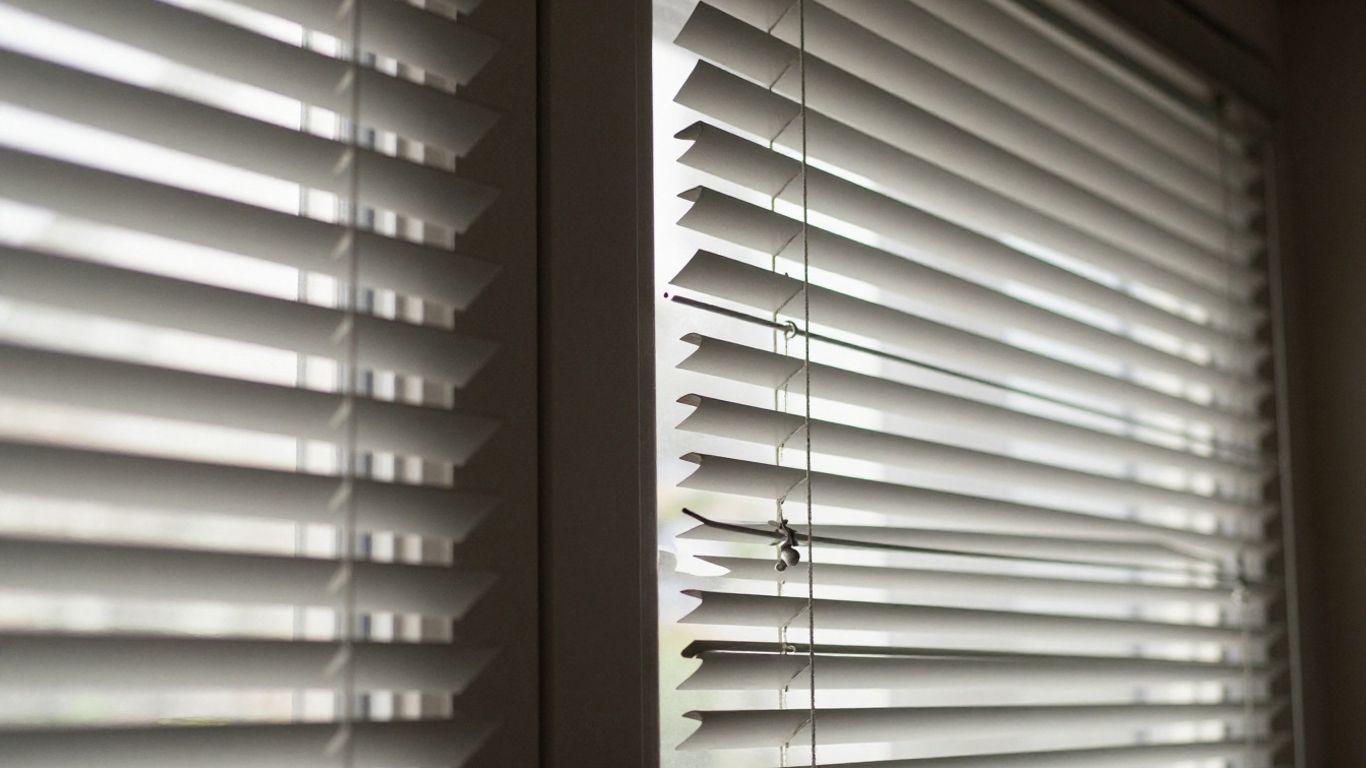
So, you've got your blinds, and you know you need to close them, but have you ever stopped to think about how you're closing them? It turns out, the direction the slats face can make a surprising difference, especially when you're trying to get things just right with privacy and light. It's not just about pulling them down; it's about the subtle tilt.
Upward Facing Slats for Maximum Privacy
When you angle your horizontal blind slats so the rounded edge faces outwards, towards the window, you're essentially creating a more solid barrier. This position is fantastic for blocking out prying eyes. Think of it like this: the curve of the slat directs light upwards, towards the ceiling, and away from the room's center. This means less light gets in, and it's much harder for anyone outside to see what's going on inside. This upward tilt is your best bet for serious privacy and enhanced room darkening. It's also a smart move for keeping your home cooler in the summer because it deflects more of that direct sun heat away.
Downward Facing Slats for Aesthetic Appeal
On the flip side, angling the slats so the rounded edge faces inwards, towards your room, is often considered more visually pleasing. Many people prefer this look because it feels a bit more open and less like a solid wall. When you partially close blinds this way, they create a softer, diffused light effect. It still offers a decent level of privacy, but it's not as absolute as the upward-facing position. If you want a bit of natural light to filter in while still maintaining some separation from the outside world, this is the way to go. It can make a room feel warmer and more inviting.
Adjusting Slats for Specific Needs
Honestly, the beauty of horizontal blinds is their flexibility. You don't have to pick one way and stick with it forever. Your needs change throughout the day, right? Maybe in the morning, you want to let in some light and see out, so you tilt them down. Then, as evening approaches, or if you just want to block out that annoying glare from a streetlamp, you can easily adjust them to face upwards. It's all about fine-tuning. For instance, if you're working from home and need to reduce screen glare, a slight adjustment can make a big difference. It's a simple tweak that can significantly impact your comfort and productivity.
Here's a quick rundown:
- Maximum Privacy & Darkness: Slats angled up (rounded side out).
- Soft Light & Open Feel: Slats angled down (rounded side in).
- UV Protection: Slats angled up helps deflect UV rays.
- Heat Deflection (Summer): Slats angled up directs heat towards the ceiling.
The orientation of your blind slats might seem like a minor detail, but it's a simple adjustment that can significantly alter the light, privacy, and even the temperature within your home. It's a small change with a noticeable impact.
For those looking to optimize their window treatments for specific climates, like the intense sun in Atlanta, understanding these nuances is key. Consulting with professionals can help you choose the right window treatments for your home's specific needs.
Energy Efficiency Through Proper Blind Closure
You know, it’s easy to think of blinds as just something to block the sun or keep people from looking in, but they actually do a lot more, especially when it comes to your home's energy use. Closing your blinds the right way can make a real difference in how comfortable your house stays and how much you spend on heating and cooling.
Insulating Your Home in Winter
When it gets cold outside, keeping the heat in is the main goal. Closing your blinds, especially with the slats angled downwards, can help trap a layer of warm air right next to your windows. This acts like a bit of extra insulation, stopping some of that chilly air from creeping into your rooms. It’s not a magic bullet, but it helps keep your living space warmer and can mean you don't have to crank up the thermostat quite as high. Think of it as giving your windows a cozy blanket.
Reducing Heat Gain in Summer
Summertime is the opposite problem – you want to keep the heat out. When the sun is beating down, closing your blinds can significantly cut down on how much heat enters your home. Highly reflective blinds, when fully closed and lowered on a sunny window, can effectively reduce heat gain. Horizontal slat-type blinds offer adjustability to further optimize their performance in managing solar heat. This means your air conditioner doesn't have to work as hard, which is good for your comfort and your wallet. It’s a simple step that can make a noticeable difference on those really hot days.
Lowering Energy Bills with Smart Closure
So, how do you put this into practice? It’s mostly about being mindful of the sun's position and the weather outside.
- Winter: Close blinds during the day on windows that don't get direct sun to keep warmth inside. Open them on sunny days to let the natural heat in.
- Summer: Keep blinds closed during the hottest parts of the day, especially on windows that face east or west, to block out the sun's rays.
- Nighttime: In both seasons, closing blinds at night adds an insulating layer, reducing heat loss or gain.
Making a habit of adjusting your blinds based on the weather and time of day is a small effort that pays off. It’s about working with nature to keep your home at a comfortable temperature without relying so heavily on your heating and cooling systems. This simple habit can lead to noticeable savings on your energy bills.
It might seem like a small thing, but consistently closing your blinds properly is a smart way to manage your home's temperature and save money. It’s one of those easy wins that contributes to a more comfortable and efficient home environment, and honestly, who doesn't want that? Plus, it’s a great way to get more out of the window treatments you already have, rather than needing to upgrade to more expensive solutions right away. For homeowners looking for expert advice on window treatments that can help with energy costs, companies like Blind Pros in Atlanta offer consultations and a range of energy-efficient window treatments.
Comparing Blinds to Other Window Treatments
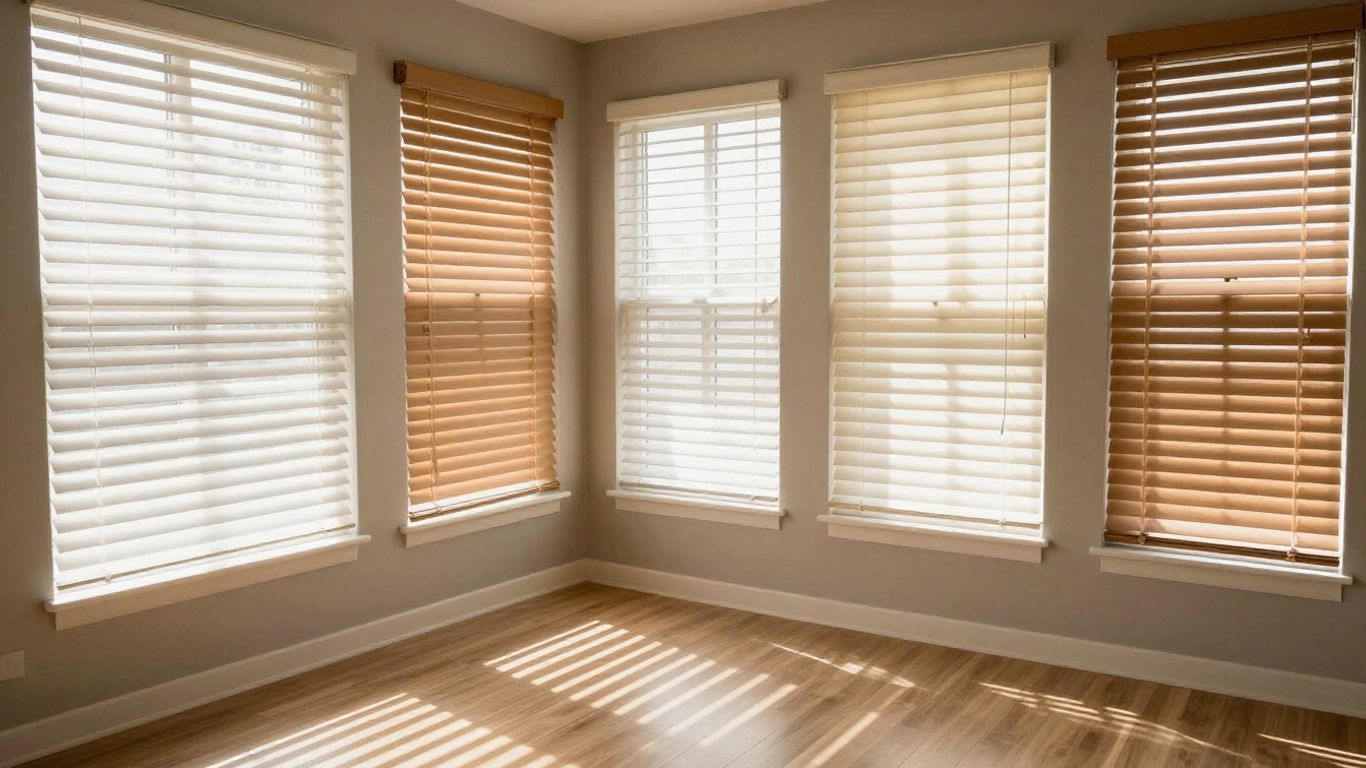
When you're looking at ways to cover your windows, blinds are just one option. You've also got curtains and shades, and each one does things a little differently. It's not always a clear-cut choice, and what works best really depends on what you're trying to achieve.
Blinds Versus Curtains for Light Control
Blinds, especially when fully closed, offer a pretty precise way to manage light. You can angle the slats to let some light in while still blocking direct sun, or close them up tight for near darkness. Curtains, on the other hand, are more about blocking light with fabric. If you want total darkness, you'll likely need blackout curtains, which are thicker and can be more expensive. Curtains can also have gaps at the sides or bottom, letting light sneak through. Blinds, with their interlocking slats, usually create a more solid barrier. For sheer light blocking power, blinds often have an edge, especially if you're looking for that room-darkening effect for a home theater or bedroom.
Shades as an Alternative to Blinds
Shades, like cellular or roller shades, are another popular choice. Cellular shades are known for their insulating properties, which can be a big help with energy bills. They trap air in their honeycomb-like structure. Roller shades offer a clean, minimalist look and can be great for large windows. While both shades and blinds can block light effectively, shades often provide a more uniform look when fully lowered. Blinds, with their individual slats, offer more flexibility in adjusting light angles. If you're aiming for a sleek, modern aesthetic, roller shades might be your go-to. For better insulation, though, cellular shades are hard to beat.
Choosing the Right Treatment for Your Space
So, how do you pick? Think about your main goals. If precise light control and privacy are top priorities, blinds are a strong contender. They're also generally easier to clean – just a quick wipe down. If you prefer a softer look and feel, or if you need maximum light blocking and don't mind a bit more fabric, curtains might be better. Shades offer a good middle ground, often with excellent insulation and a clean appearance. Consider the room's function: a home office might benefit from the precise control of blinds, while a living room might look cozier with curtains. Ultimately, the best window treatment is the one that fits your needs for light, privacy, style, and ease of use. It's about finding that balance for your specific home.
When deciding, remember that blinds offer a unique ability to direct light, whereas curtains and shades tend to block it more uniformly. Each has its place depending on the desired outcome for privacy, light, and even insulation.
Wrapping It Up
So, there you have it. Figuring out how to close your blinds isn't just about yanking a cord. It's about making your space work for you, whether that means blocking out the sun for a good night's sleep, keeping a room cozy, or just stopping nosy neighbors from seeing in. We've gone over how different types of blinds work and why the way you close them actually matters. It's a small thing, but getting it right can make a surprising difference in how comfortable your home feels. Don't overthink it too much, though – the best setup is the one that makes your life easier and your home feel just right.
Frequently Asked Questions
When should I close my blinds with the slats facing up?
Closing your blinds with the slats angled upwards, so the rounded side faces the window, is a smart move for better privacy and light control. This position helps block more light and makes it harder for people outside to see in. It's also great for keeping your home cooler in the summer because it bounces sunlight up towards the ceiling, potentially lowering your cooling bills.
What's the best way to close blinds for maximum privacy?
For the most privacy, you'll want to close your blinds completely. If you have horizontal blinds, angling the slats upwards (rounded side facing out) offers the best privacy because it minimizes gaps. For vertical blinds, just ensure they are fully closed across the window.
How do closed blinds help with energy efficiency?
When closed, blinds act like an extra layer of insulation for your windows. In the winter, they help keep warm air inside, reducing the need for heating. In the summer, they block direct sunlight, which helps keep your home cooler and lessens the strain on your air conditioner. This can lead to lower energy bills.
Can closing blinds help me sleep better?
Absolutely! Closing your blinds, especially if they are blackout blinds or angled upwards, can make your room much darker. This darkness is perfect for improving sleep quality, whether you're trying to sleep during the day or just want a cozier, more restful environment at night.
What's the difference between closing blinds up vs. down for light?
When blinds are closed with slats facing down (rounded side facing your room), they let in more light and offer less privacy compared to when they face up. The downward-facing slats can also direct more heat and light towards the center of the room. Facing them up blocks more light and directs it away.
Are there other window treatments like blinds?
Yes, there are! Besides blinds, you can also use curtains or shades. Curtains offer a softer look and come in many fabrics, while shades, like honeycomb or Roman shades, can be very space-saving. Each has its own pros and cons for privacy, light control, and style, so it depends on what you like best.
Ready to Explore Your Options?
Blind Pros serves homeowners across the Atlanta metro — Fulton, Cobb, DeKalb, Fayette, Forsyth, and Cherokee counties. Call 770-609-7773 or request a free quote online.