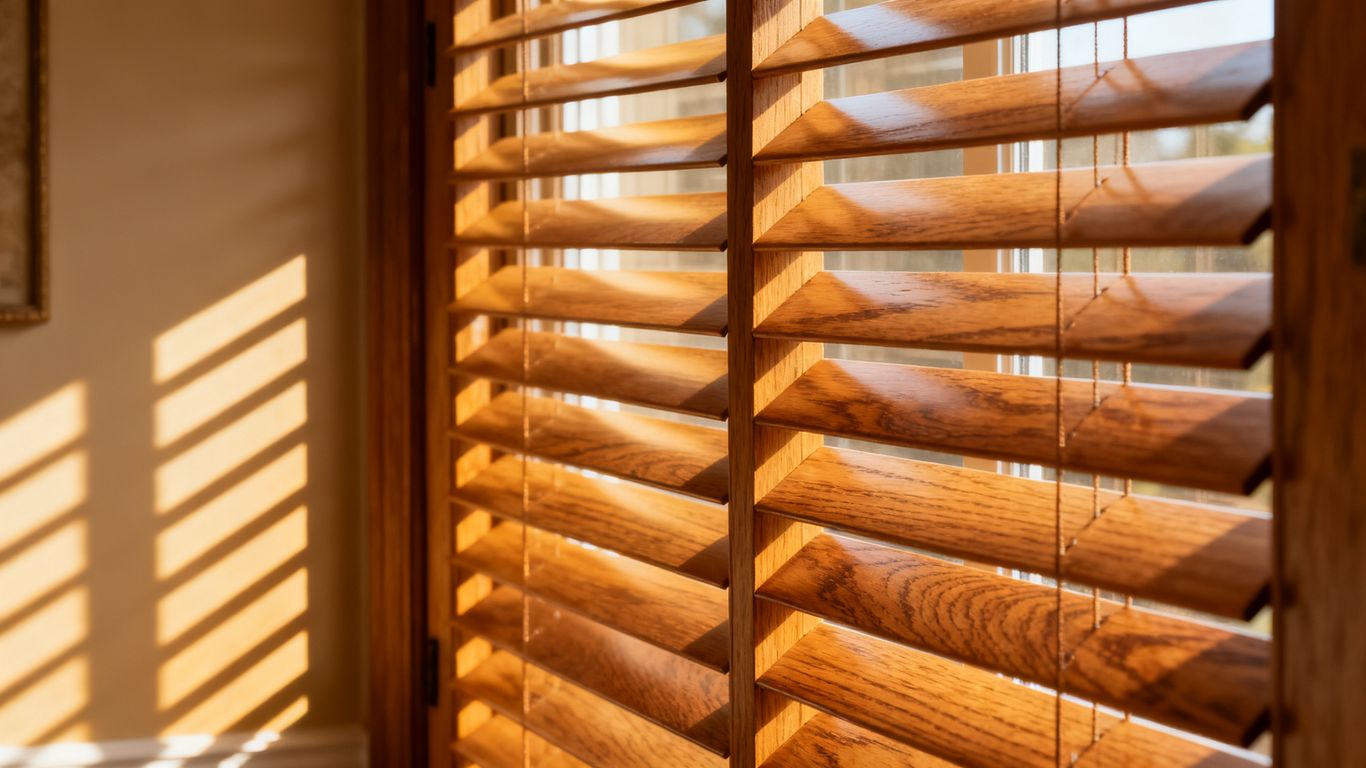
So, you've got these nice wood plantation shutters, and they look great. But, like anything in your house, they need a little TLC to keep looking their best. Maybe you're wondering about the best way to clean them without messing up the wood, or perhaps you've got some stubborn spots you can't figure out how to get rid of. Don't worry, it's not as complicated as it sounds. We're going to walk through exactly how to clean wood plantation shutters so they stay looking sharp.
Key Takeaways
- For regular cleaning, stick to dry methods. Microfiber cloths or a vacuum with a soft brush attachment work best for how to clean wood plantation shutters.
- Avoid using too much water or harsh cleaning chemicals. These can damage the wood's finish, causing it to warp or discolor.
- A weekly dusting is usually enough to keep shutters looking good. For a deeper clean, use your vacuum about once a month.
- Tackle tough spots with a barely damp cloth, and always dry the area immediately afterward to prevent moisture damage.
- Consider using a wood conditioner occasionally, especially if your shutters get a lot of sun, to keep the wood nourished and looking its best.
Essential Tools For Cleaning Wood Plantation Shutters
Getting your wood plantation shutters looking their best doesn't require a whole lot of fancy equipment. Honestly, you probably have most of what you need already sitting around your house. The key is using the right things, and knowing how to use them. Using the wrong tool can actually do more harm than good, leading to scratches or even damage to the wood finish. So, let's talk about what you'll want to have on hand.
Choosing The Right Microfiber Cloths
When it comes to dusting wood shutters, microfiber cloths are your best friend. These cloths are designed to trap dust particles instead of just pushing them around. Think of them like tiny dust magnets. You'll want to have a few on hand. Some people prefer a simple flat cloth, while others find a mitt-style cloth easier to grip and use when wiping down each individual slat. Either works, but make sure they're clean and dry before you start. A dirty cloth will just spread dust. You can find good quality microfiber cloths specifically designed for cleaning tasks like this window blind cleaner.
Utilizing Your Vacuum's Soft Brush Attachment
Your vacuum cleaner can be a surprisingly effective tool for cleaning your shutters, but you have to use the right attachment. Never use a hard plastic nozzle or brush. That's a recipe for scratches. Instead, look for the soft, round brush attachment. It's perfect for gently lifting dust from the slats and even from the cords and mechanisms. It's also really important to use the lowest suction setting on your vacuum. High suction can damage the delicate parts of the shutter. This method is especially great for a more thorough cleaning, like a monthly deep clean, because it really gets into all the nooks and crannies.
Considering A Lambswool Duster
For quick touch-ups between more thorough cleanings, a lambswool duster can be a good option. The natural lanolin in the wool helps to attract and hold onto dust, making it great for light, frequent dusting. It's not usually the best tool for a deep clean or for tackling stubborn spots, but for a quick swipe to keep things looking tidy, it does the job. Just remember to give it a good shake outside afterward to get rid of the dust it collected.
The goal with any tool is to remove dust and grime without damaging the wood's finish or the shutter's structure. Always err on the side of caution and gentleness.
Establishing A Routine For Dust-Free Shutters
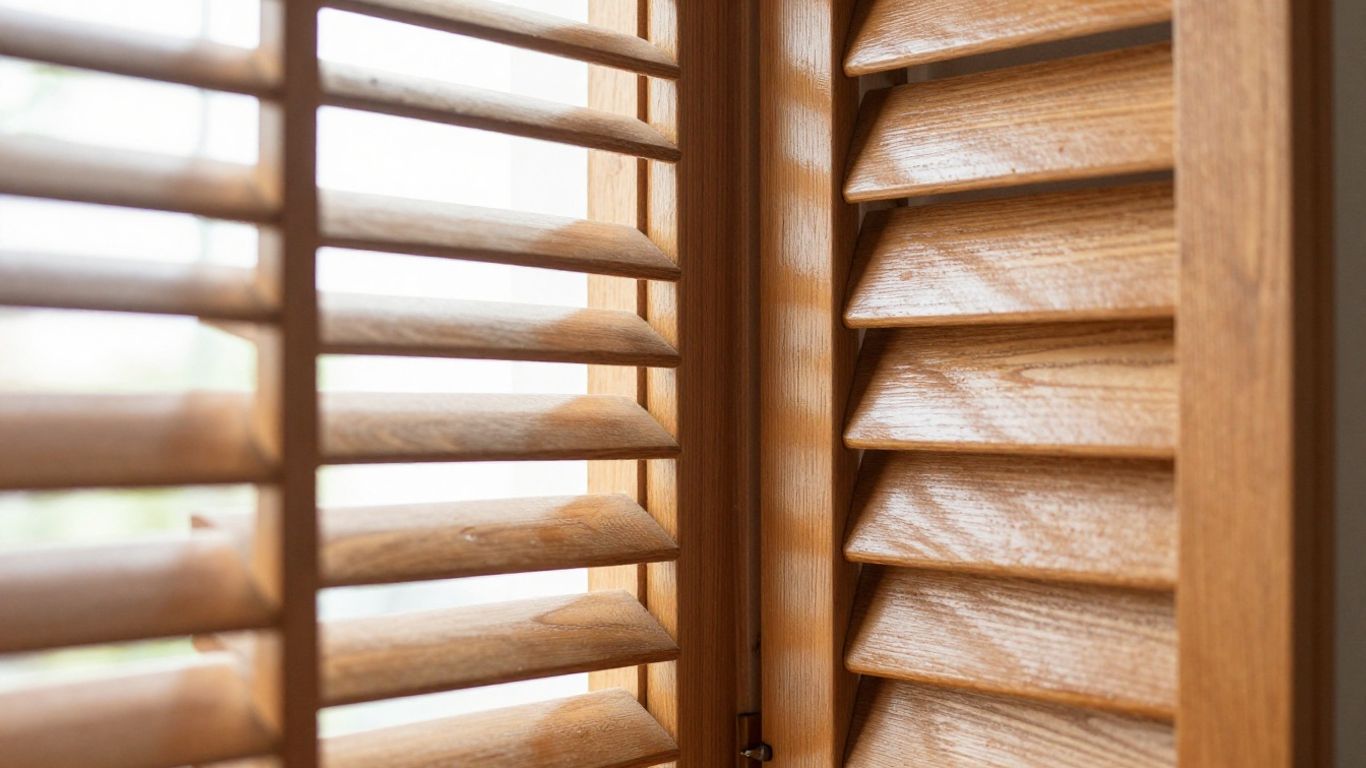
Keeping your wood plantation shutters looking sharp doesn't require a huge time commitment. The real secret is consistency. Instead of letting dust and grime build up into a big problem, a simple, regular cleaning schedule makes the whole process much easier. Think of it as a little bit of care spread out over time, which is way better than a massive cleaning marathon later on.
Your Weekly Dusting Strategy
This is your first line of defense against dust. Just a quick pass over each slat with a dry microfiber cloth or a lambswool duster once a week is usually enough. Honestly, this can take as little as ten minutes, but it stops dust from getting ground into the wood grain, which is a real pain to deal with later. It’s a small effort that really pays off.
Monthly Deep Cleaning With A Vacuum
Sometimes, weekly dusting just isn't enough. Life happens, and your shutters might get a bit grimy. When this happens, your vacuum cleaner is your best friend. Use the soft brush attachment – never anything hard that could scratch the finish. Make sure to set your vacuum to its lowest suction setting. You don't want to risk damaging the delicate parts. Work from the top down, cleaning each slat. Then, close the slats one way and vacuum, then tilt them the other way and vacuum again. This method gets both sides of every slat and is really effective at removing dust without any moisture. It's a great way to capture a lot of dust and allergens without any risk.
Seasonal Inspections For Wood Health
About two to three times a year, it's a good idea to give your shutters a closer look. Pay special attention to shutters that get a lot of direct sunlight. The sun can dry out the wood over time, making it look dull. If you notice any dryness, a little bit of wood conditioner or lemon oil can help bring back the natural shine. Just be careful not to use too much, or you'll end up with a greasy film that attracts more dust. It’s all about giving the wood a little nourishment, not soaking it. If you're curious about how different window treatments affect your home's temperature, you might want to check out this guide on energy-efficient window coverings.
A little bit of regular attention goes a long way in keeping your wood plantation shutters looking great and functioning properly for years to come. It's about simple habits, not complicated chores.
Mastering The Dry-Clean Approach
When it comes to wood plantation shutters, moisture is the enemy. Water can seep into the wood grain, causing it to swell, discolor, and even warp over time. This is especially true in humid areas, where the air itself can be a challenge. That's why sticking to a dry-cleaning method for your regular shutter maintenance is so important. It's the best way to protect the finish and keep your shutters looking great for years to come. Think of it as preventative care for your investment.
The Importance Of Avoiding Moisture
Seriously, water and real wood just don't get along. If you've ever seen wood swell up after getting wet, you know what I mean. For shutters, this means they can lose their shape, their color can change, and they might not even open or close properly anymore. It's a big deal, and it's permanent. So, when you're cleaning, always remember: dry is the way to go. This simple rule helps maintain the structural integrity and the aesthetic appeal of your shutters.
Techniques For Efficient Dry Dusting
Getting rid of dust without water is actually pretty straightforward. The key is using the right tools and a bit of technique. A good quality microfiber cloth or a mitt is your best friend here. These cloths are designed to trap dust rather than just push it around. For a quick clean, a lambswool duster works wonders too; the natural fibers attract dust really well.
Here's a simple method that works:
- Close the slats: Angle them downwards so you have a flat surface to wipe.
- Wipe from top to bottom: Use your microfiber cloth or mitt to clean each slat, moving from the top of the shutter to the bottom.
- Flip and repeat: Change the angle of the slats so they face upwards and repeat the wiping process. This ensures you get both sides of every slat.
This method might seem a little tedious at first, but it's incredibly effective at removing dust without any risk of moisture damage. It's a much better approach than just flicking dust around.
The Dryer Sheet Dust Repellent Trick
Want to make your dusting efforts last longer? Try this little trick. After you've finished your dry dusting, take a fresh dryer sheet and wipe down each slat. It sounds a bit odd, but dryer sheets create an anti-static barrier on the wood. This barrier actually repels dust, meaning your shutters will stay cleaner for a much longer period. It's a simple hack that can save you a lot of time and effort in the long run, especially if you live in an area where dust seems to accumulate quickly. It's a great way to keep your plantation shutters looking fresh between deeper cleans.
Tackling Stubborn Spots Safely
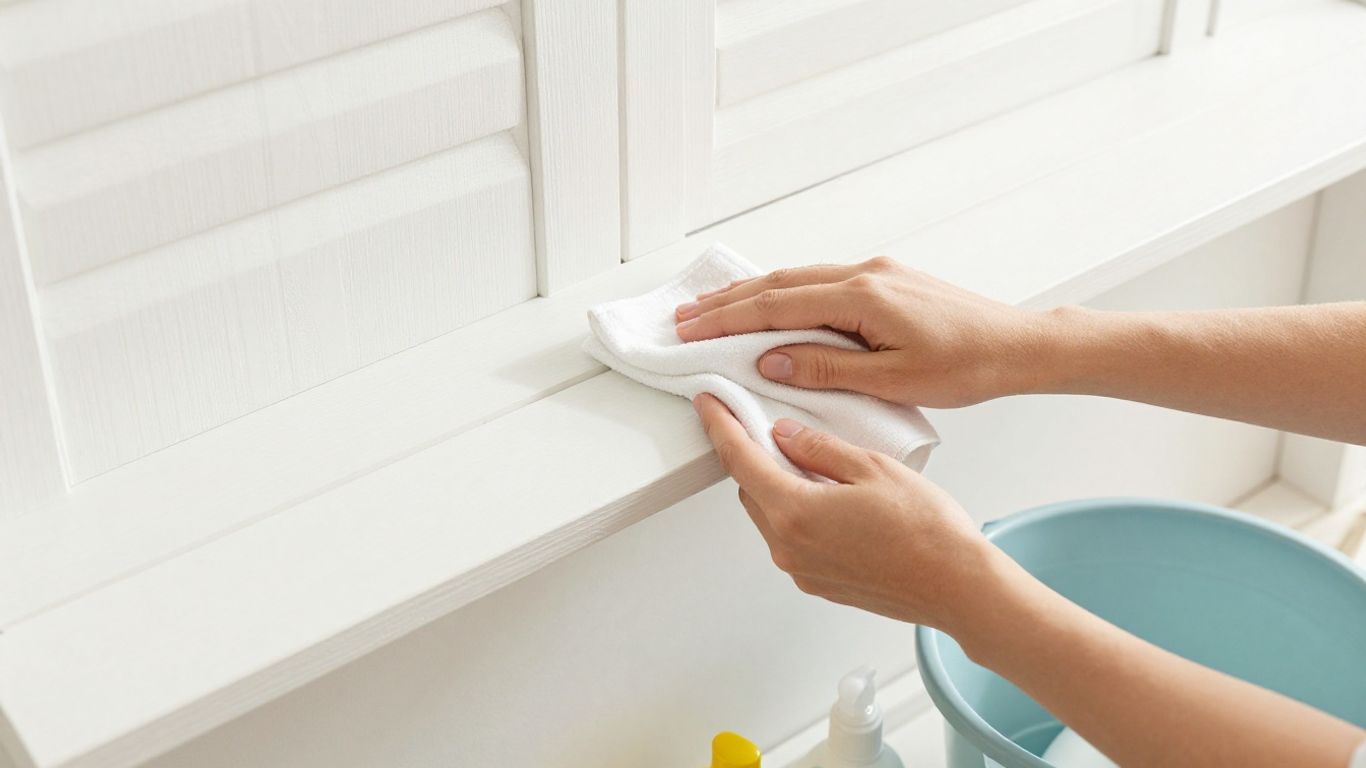
Even with a regular dusting routine, life happens. You might find a sticky fingerprint from a kiddo, a bit of kitchen grease, or some other mystery smudge on your wood plantation shutters. It's totally normal, especially in busy homes. The trick here isn't just getting the spot off, but doing it in a way that doesn't mess up that nice wood finish. It can be tempting to just grab whatever cleaner is under the sink, but hold on a second.
Gentle Spot Cleaning With A Damp Cloth
For most everyday spots, you really don't need much. Grab a clean microfiber cloth – the same kind you use for dusting. Take one corner of the cloth and get it barely damp. I mean, just a tiny bit of water, not wet at all. Then, gently dab at the spot. Don't scrub hard; just a light touch is usually enough to lift the grime. It’s like a little targeted attack on the mess.
The Critical Step Of Immediate Drying
This is super important, maybe the most important part of spot cleaning. As soon as you've dabbed the spot with the damp cloth, immediately grab a dry section of the same cloth (or a second dry one) and wipe the area until it's completely dry. Seriously, bone dry. Even a little bit of leftover moisture can make the wood swell or warp over time, and nobody wants that. So, be thorough with the drying.
What Cleaning Products To Absolutely Avoid
When it comes to wood shutters, some cleaning products are a big no-no. You really want to steer clear of anything with harsh chemicals. All-purpose cleaners, for example, can strip the protective finish right off your shutters, leaving them looking discolored and damaged. That's not something you can easily fix. Also, avoid furniture polish for spot cleaning. While it might seem like a good idea, it can leave behind a sticky residue that just attracts more dust and dirt, creating a bigger problem down the line. Stick to the simple methods; they work best for the long haul.
Here's a quick rundown of what to do and what not to do:
- DO: Use a barely damp cloth for spot cleaning.
- DO: Dry the area immediately and thoroughly.
- DON'T: Use all-purpose cleaners or harsh chemicals.
- DON'T: Spray any liquid directly onto the shutters.
- DON'T: Use furniture polish for spot cleaning.
Remember, the goal is to use the least amount of moisture and the gentlest touch possible. Think of it as a quick rescue mission for a small mess, not a full-on cleaning operation. Patience and a light hand are your best friends here.
Nourishing Wood For Lasting Shine
Wood plantation shutters are beautiful, but like any natural material, they need a little care to keep them looking their best. Think of it like taking care of nice furniture. You wouldn't just let it get dusty and dry, right? The same goes for your shutters. Giving them a bit of nourishment helps protect the wood and keeps that lovely finish from looking dull.
Understanding Wood Conditioner Benefits
Wood conditioner is basically like lotion for your shutters. It helps to replenish any natural oils that might get stripped away over time, especially if your shutters are in a sunny spot. This keeps the wood from drying out, which can lead to cracking or warping down the road. It also helps to seal the wood a bit, making it more resistant to minor moisture and general wear and tear. A good conditioner will make the wood feel smoother and look richer. It’s not about making them greasy; it’s about keeping them supple and protected.
Proper Application For A Non-Greasy Finish
Applying conditioner is pretty straightforward, but there are a couple of tricks to get it right. First off, always apply it to a clean, dry cloth – never spray it directly onto the shutter slats. You only need a small amount. Gently wipe each slat, making sure to get a thin, even coat. The most important part? Immediately follow up with a separate, clean, dry cloth to buff away any excess product. This buffing step is what stops them from looking oily and gives them that nice, subtle sheen. If you're curious about how to keep wood looking good in general, this guide on how to clean wood floors has some useful tips.
Protecting Shutters From Sun Exposure
Sunlight is great for plants, but it can be tough on wood. Over time, UV rays can fade the color and dry out the wood. If your shutters get a lot of direct sun, you might want to consider using a conditioner that has UV inhibitors. This adds an extra layer of defense. Also, think about how much sun hits them. If one side of your house bakes all afternoon, those shutters might need a bit more attention. You can also use your shutters to your advantage by tilting the slats to block the harshest rays when needed. It’s a simple way to manage light and protect your investment.
Even with regular dusting, wood can lose its natural moisture. Using a wood conditioner a few times a year helps maintain the wood's integrity and appearance, preventing it from becoming brittle or dull. It's a small step that makes a big difference in the longevity and look of your shutters.
Here’s a quick rundown of what to do:
- Gather your supplies: A clean microfiber cloth and your chosen wood conditioner.
- Apply sparingly: Put a little conditioner on the cloth, not directly on the shutter.
- Wipe gently: Cover each slat with a thin layer.
- Buff immediately: Use a second dry cloth to remove any extra product and shine them up.
- Repeat as needed: Focus on areas that get more sun or look dry.
Advanced Techniques For Wood Shutters
So, you've got your wood plantation shutters looking pretty good with the regular dusting and occasional wipe-down. That's great! But if you really want to keep them in top shape and make sure they last for ages, there are a few extra steps you can take. It’s not rocket science, but it does require a bit of attention to detail.
Vacuuming Slats From Top to Bottom
When you're dusting, it's easy to just skim over the surface. But for a really thorough clean, think about how dust settles. It tends to fall downwards. So, starting at the very top of your shutter and working your way down makes the most sense. This way, you're not just pushing dust around; you're actually collecting it as it falls.
- Start with the top edge of the shutter frame.
- Move to the top surface of the highest slat.
- Gently vacuum each slat, moving from the top edge down towards the bottom edge.
- Continue this process down the entire shutter.
Cleaning Both Sides of Each Slat
This might sound obvious, but it's surprising how often people forget the underside of the slats. Dust and grime can accumulate on both surfaces, affecting the overall look and even how well the louvers move. Taking a moment to flip each slat and clean its underside makes a big difference. It's a bit more work, sure, but the results are worth it. You'll notice a cleaner appearance and smoother operation.
Maximizing Dust Removal With Low Suction
When you're using your vacuum cleaner, it's tempting to crank up the power. However, with delicate wood shutters, high suction can actually cause problems. It can potentially damage the wood finish or even pull at the slats if you're not careful. Using a lower suction setting, especially with the soft brush attachment, is much safer. It's still effective at picking up dust without being too aggressive. Think of it like using a gentle hand rather than a strong grip. This approach helps preserve the integrity of your shutters while still getting them clean. For stubborn dust bunnies that might be clinging on, a gentle pass with a slightly damp cloth can help loosen them before vacuuming again.
Remember, the goal is to clean, not to strip away the finish or damage the wood. Patience and a gentle touch go a long way with these beautiful window treatments.
Keep Them Shining
So there you have it. Keeping your wood plantation shutters looking sharp doesn't have to be a huge chore. By sticking to a simple routine of regular dusting and occasional deeper cleaning, you'll keep them looking great for ages. Remember, a little bit of consistent care goes a long way in protecting your investment and making sure your shutters remain a beautiful part of your home. Don't overthink it; just a gentle touch and the right tools are all you really need. Happy cleaning!
Frequently Asked Questions
How often should I clean my wood plantation shutters?
It's best to dust your wood plantation shutters once a week to keep them looking nice and stop dust from building up. Every month, use your vacuum's soft brush attachment for a deeper clean. Every few months, check for sun damage or dryness, especially if your shutters get a lot of sunlight.
Can I use water or spray cleaners on my wood shutters?
No, you should avoid using water or spray cleaners on wood shutters. Water can make the wood swell or warp, and strong cleaners can damage the finish. If you need to clean a sticky spot, use a barely damp microfiber cloth and dry it right away.
What kind of cloth is best for cleaning wood shutters?
A soft microfiber cloth is the best choice. It picks up dust without scratching the wood or pushing the dust around. Lambswool dusters are also good for quick touch-ups.
How do I remove tough spots or sticky marks from my shutters?
For sticky spots, lightly dampen a corner of your microfiber cloth and gently dab the spot. Right after, use a dry part of the cloth to make sure the area is completely dry. Never use strong chemicals or spray anything directly on the wood.
Should I use any products to make my shutters shine?
You can use a wood conditioner or a small amount of lemon oil to bring back the shine. Put a tiny bit on a clean, dry cloth and gently wipe each slat. Always buff with another dry cloth right after to remove any extra product so the slats don’t get greasy.
What cleaning products should I avoid on wood plantation shutters?
Stay away from all-purpose sprays, ammonia-based cleaners, abrasive powders, and furniture polish with silicone. These can damage the finish, leave sticky spots, or cause discoloration.
Ready to Explore Your Options?
Blind Pros serves homeowners across the Atlanta metro — Fulton, Cobb, DeKalb, Fayette, Forsyth, and Cherokee counties. Call 770-609-7773 or request a free quote online.