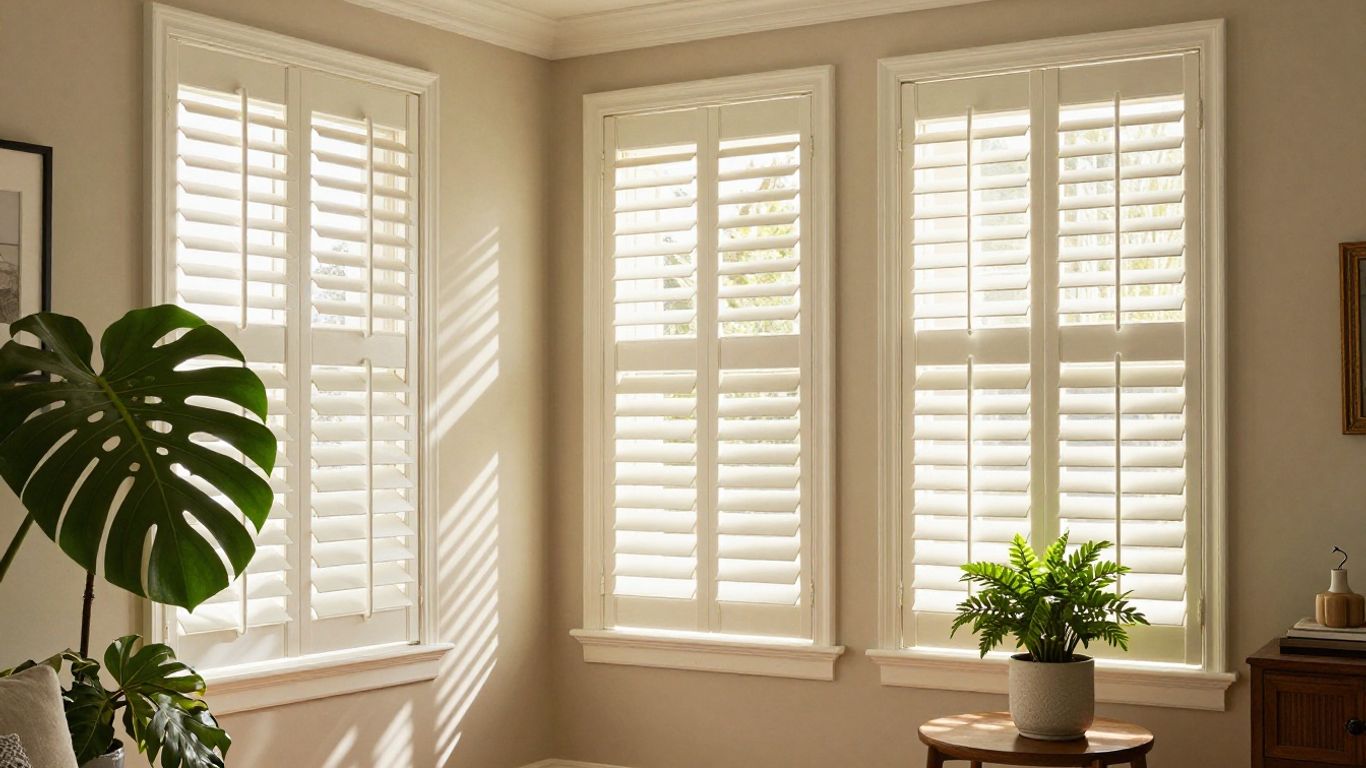
Thinking about window treatments? You've probably seen plantation shutters around, and for good reason. They're not just some passing trend; these shutters have been around for ages and still look great in pretty much any home. They look classy, help with privacy, and can even make your place feel more comfortable. This guide will walk you through what makes plantation shutters so special, the different kinds you can get, what they're made of, and why they might just be the perfect fit for your windows.
Key Takeaways
- Plantation shutters are popular for their wide louvers, offering good light control and privacy, and they add a timeless look to homes.
- Styles like Full Height, Café, Tier-on-Tier, and Bi-Fold shutters offer different looks and levels of functionality.
- You can choose from materials like hardwood, composite, or vinyl, each with its own pros and cons for durability and maintenance.
- Beyond looks, plantation shutters can help with energy efficiency, potentially increasing your home's value.
- When picking shutters, think about your home's style and your budget, and decide if you'll install them yourself or hire a pro.
Understanding Plantation Shutters
Plantation shutters are a classic window treatment that brings both style and function to a home. You've probably seen them around – those shutters with the wide, horizontal slats, often called louvers. They're not just for looks, though. These shutters have a long history and a lot of practical benefits that make them a popular choice for many homeowners.
Defining Characteristics of Plantation Shutters
What really sets plantation shutters apart are those wide louvers. We're usually talking about slats that are between 2 1/2 and 4 1/2 inches across. This wider size means you get better control over how much light comes into a room and a clearer view outside when they're open, compared to shutters with smaller slats. They're typically built into a solid frame that fits right into your window or door frame. The louvers themselves can be adjusted using a tilt rod, letting you fine-tune the light and airflow.
- Wide Louvers: Typically 2.5 to 4.5 inches.
- Adjustable Slats: Control light and privacy.
- Framed Design: Mounted securely within the window.
The History and Evolution of Plantation Shutters
While they get their name from the grand homes in the American South, the idea of shutters has been around for ages, dating back to ancient Greece. Back then, they were more about practical things like keeping out the elements and letting in air. Over time, especially in the warmer climates of the American South, they evolved into the stylish and functional window coverings we know today. They moved from being purely functional to a key part of home decor.
Originally, shutters served a practical purpose, offering protection and ventilation. Their transition into a popular interior design element highlights how form and function can beautifully merge over time.
What Makes Plantation Shutters So Popular?
It's a mix of things, really. For starters, they just look good. They add a certain elegance and a timeless quality to any room, fitting in with all sorts of decor styles, from old-fashioned to modern. Plus, they're super practical. You get great control over light and privacy – just tilt the louvers. They also help with keeping your home at a comfortable temperature, which can mean saving a bit on energy bills. Because they're durable and always in style, they can even add value to your home. It's no wonder people keep choosing plantation shutter options for their windows.
Here's a quick rundown of why they're a favorite:
- Aesthetics: Classic, elegant look that complements many styles.
- Functionality: Excellent control over light, privacy, and airflow.
- Energy Efficiency: Can help insulate your home, reducing heating and cooling costs.
- Durability: Built to last, often made from quality materials.
- Property Value: Can be seen as an upgrade that increases home value.
Exploring Plantation Shutter Styles
Plantation shutters aren't just a one-size-fits-all deal. They come in a few different styles, and picking the right one really depends on what you need your windows to do. Think about how much light you want, how much privacy you're after, and even how you plan to use the window or door itself. It's not just about looks; it's about making your space work better for you.
Full Height Shutters
These are probably what most people picture when they hear "plantation shutters." They cover the entire window from top to bottom. This style gives you the most control over both light and privacy for that specific window. Because they're a single unit, they look really clean and classic. They're great for bedrooms or living rooms where you might want to block out light completely for a nap or just create a really private space. You can get them with a visible tilt rod in the middle, or a more modern hidden tilt system where you just touch a louver to adjust them all at once. They're a solid choice for pretty much any room.
Café Style Shutters
Now, these are a bit different. Café shutters only cover the bottom half of your window. Think of a little coffee shop window – that's the vibe. They're perfect for rooms where you want some privacy down low, but you still want to let in a lot of natural light from the top. Kitchens and dining rooms are popular spots for these. You get that nice bit of seclusion without making the room feel dark. Plus, they have a charming, European feel to them. It's a smart way to get privacy without sacrificing all that lovely daylight. Café-style shutters are a neat trick for balancing light and privacy.
Tier-on-Tier Shutters
If you want the ultimate flexibility, tier-on-tier shutters are the way to go. These are basically two sets of shutters, one stacked on top of the other, and they can both open and close independently. So, you could open the top tier to let in light and air while keeping the bottom tier closed for privacy. Or, open both for a clear view. This style is super versatile and works well on larger windows where you might want different levels of control at different times of the day. It’s like having two sets of window treatments in one.
Bi-Fold Shutters
These are really cool, especially for larger windows or even patio doors. Bi-fold shutters are made of panels that are hinged together and run on a track. You can fold them open, stacking them neatly to one side. This is fantastic if you want to really open up your space and create a connection between indoors and outdoors. They give you a wide-open view when you want it, but you still get all the light control and privacy benefits of shutters when they're closed. They add a modern touch and are great for letting in a breeze on a nice day.
Choosing the right style isn't just about aesthetics; it's about function. Consider how you use each room and what you need your window coverings to do. A little thought upfront can make a big difference in how you enjoy your home every day.
Choosing Plantation Shutter Materials
When you're looking at plantation shutters, one of the first big decisions you'll make is about the material. It's not just about looks, though that's a big part of it. The material you pick can affect how they hold up over time, how easy they are to clean, and, of course, the price tag. Luckily, there are a few main options, and each has its own set of pros and cons.
Hardwood Plantation Shutters
These are often seen as the classic choice. Made from real wood, they have a natural beauty that's hard to beat. You can get them stained to show off the wood grain or painted in pretty much any color you can imagine. Because they're wood, they're also pretty lightweight, which can be a plus for larger windows. Plus, if you ever want to change your decor, hardwood shutters can often be repainted or even refinished. They really do add a certain warmth to a room.
- Pros: Natural beauty, can be stained or painted, lightweight, can be refinished.
- Cons: Can be more expensive, susceptible to moisture and humidity (not ideal for bathrooms or kitchens).
Composite Plantation Shutters
Composite shutters are a bit of a hybrid. They're made from a mix of wood fibers and plastics or other synthetic materials. This blend gives you a lot of the good looks of wood but with added durability. They're generally more resistant to moisture than solid wood, making them a decent option for areas that might get a little damp. They also tend to be a bit more budget-friendly than premium hardwoods. You'll find them in a wide range of colors, usually painted finishes.
- Pros: Durable, good moisture resistance, often more affordable than hardwood, available in many painted finishes.
- Cons: Heavier than hardwood, cannot be stained (only painted), cannot be refinished.
Vinyl Plantation Shutters
Vinyl shutters are usually the most budget-friendly option. They're made entirely from synthetic materials, which makes them super resistant to moisture and easy to clean. This makes them a really popular choice for places like bathrooms, kitchens, or laundry rooms where humidity is a concern. They're also quite durable and won't warp or fade easily. The downside is that they might not have the same premium look and feel as wood or even some composites. You'll typically find them in standard colors like white, off-white, and sometimes beige.
- Pros: Most affordable, excellent moisture resistance, very easy to clean, durable.
- Cons: Can look less premium, limited color options, cannot be stained or refinished.
Choosing the right material really comes down to where the shutters will be used and what your budget looks like. For a living room or bedroom where aesthetics are key and moisture isn't an issue, hardwood might be your top pick. If you need something tough and moisture-resistant for a busy kitchen, composite or vinyl could be the way to go. It's all about finding that sweet spot between looks, function, and cost.
When you're trying to decide, think about the specific needs of each window. For instance, if you're looking for window treatments for Atlanta homes, you might want to consider how well different materials will hold up in your local climate. Learn about window treatments that suit your area.
Benefits of Plantation Shutters
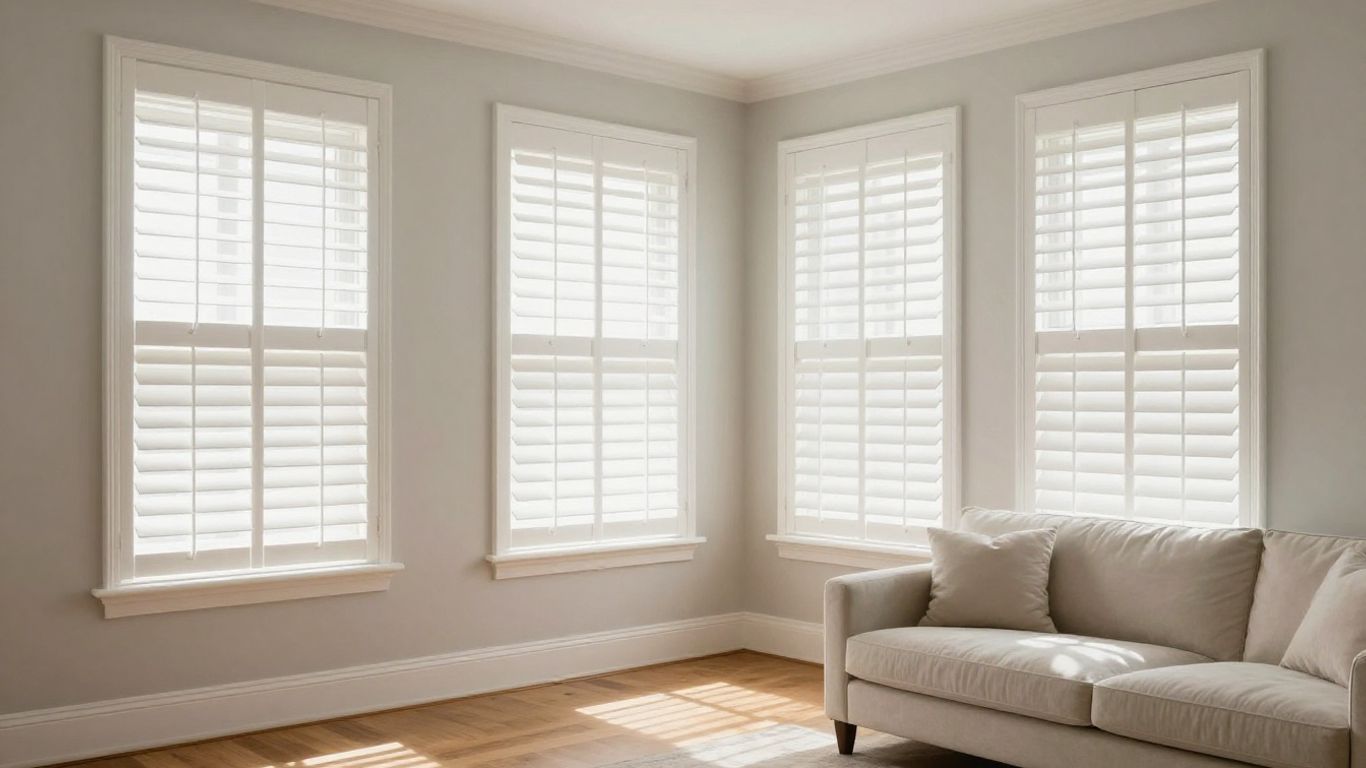
Plantation shutters are more than just a way to cover your windows; they really do add a lot to your home. People like them because they look good and work well. They've been around for a while, and that classic style doesn't seem to be going anywhere.
Enhanced Aesthetics and Timeless Appeal
Let's be honest, these shutters just look good. They give a room a polished, finished feel that you don't always get with other window treatments. The wide louvers have a clean, architectural look that works with pretty much any decor, whether your style is super modern or more traditional. They add a certain something that makes a house feel more like a home. Plus, they look just as nice from the outside, which is a bonus for your home's curb appeal. It’s like adding a subtle, sophisticated detail that makes a big difference.
Improved Energy Efficiency
This is a big one, especially with energy costs these days. Plantation shutters act like an extra layer of insulation for your windows. In the summer, they help keep the hot sun out, meaning your air conditioner doesn't have to work quite as hard. In the winter, they help keep the warm air inside. It’s not a magic bullet, but you can definitely notice a difference in your energy bills. Some studies suggest they can really cut down on heat transfer through your windows, which is great for keeping your home comfortable year-round.
Increased Property Value
When you're thinking about making upgrades to your home, it's nice when those upgrades also add value. Plantation shutters are one of those things. Because they're durable, look great, and offer practical benefits like light control and energy savings, they're a feature that potential buyers often appreciate. It's an investment that can pay off if you decide to sell your home down the line. It's not just about looks; it's about adding lasting quality.
Superior Light Control and Privacy
This is where plantation shutters really shine. Unlike curtains that you just open or close, or blinds that can be a bit finicky, shutters give you really precise control. You can tilt the louvers just so to let in a little bit of light without any glare, or close them up tight for total privacy. Need some fresh air but don't want people looking in? Just angle the louvers. It’s super handy for different rooms and different times of day. You can really tailor the light and privacy to exactly what you need at any moment. It’s a level of control that’s hard to beat.
The adjustable nature of the louvers means you can fine-tune the ambiance of any room. Whether you want bright and airy or dim and cozy, it's all at your fingertips. This flexibility is a major reason why so many homeowners choose them over other window coverings.
Considerations for Plantation Shutters
So, you're thinking about plantation shutters. Awesome choice! They really do look great and work well. But before you rush off and buy them, there are a few things to think about. It’s not just about picking a color, you know.
Matching Your Interior Style
This is a big one. You want your shutters to look like they belong in your home, not like they’re just stuck on. Think about the vibe you’ve got going on. Are you all about that cozy, traditional look? Or maybe something more modern and clean? Plantation shutters are pretty flexible, but they do have a certain style. They work with a lot of different decors, from farmhouse chic to more minimalist spaces. The key is to pick a material and finish that complements your existing furniture and wall colors. If you have a lot of dark wood furniture, maybe a stained shutter would be nice. If your room is bright and airy, a crisp white might be better. It’s all about making them feel like a natural part of the room.
Budgeting for Your Plantation Shutters
Okay, let's talk money. Plantation shutters are definitely an investment. They’re not like cheap plastic blinds that you replace every couple of years. Because of this, they can actually add value to your home. But, the cost can add up pretty quickly depending on the size of your windows, the material you choose, and how many windows you’re covering. It’s a good idea to get a few quotes from different places to compare. You might be surprised at the price differences. Remember to factor in installation costs if you’re not doing it yourself.
Here’s a rough idea of what you might expect:
| Material | Approximate Cost Per Square Foot |
|---|---|
| Vinyl | $20 - $30 |
| Composite | $30 - $50 |
| Hardwood | $40 - $70+ |
These are just estimates, and prices can vary a lot based on the specific product and where you live.
DIY vs. Professional Installation
This is where you have to be honest with yourself about your skills. Can you measure accurately? Are you comfortable working with tools? If you’re a bit of a handy person, you might be able to install them yourself. It could save you some money. However, if you’re not confident, it’s probably best to hire a professional. Getting the shutters installed just right is super important for how they look and how they work. A bad installation can lead to all sorts of problems down the line, like shutters that don’t open smoothly or don’t fit properly. For a really polished look and peace of mind, professional installation is often the way to go, especially for tricky window shapes or larger installations. Many companies that sell shutters also offer installation services, which can be convenient. You can often get a free in-home consultation to discuss your options and get a quote for both the shutters and the installation.
Choosing the right window treatments involves more than just aesthetics; it's about finding a solution that fits your lifestyle, budget, and the specific needs of each room. Taking the time to consider these factors upfront will save you headaches later on.
Maintaining Your Plantation Shutters
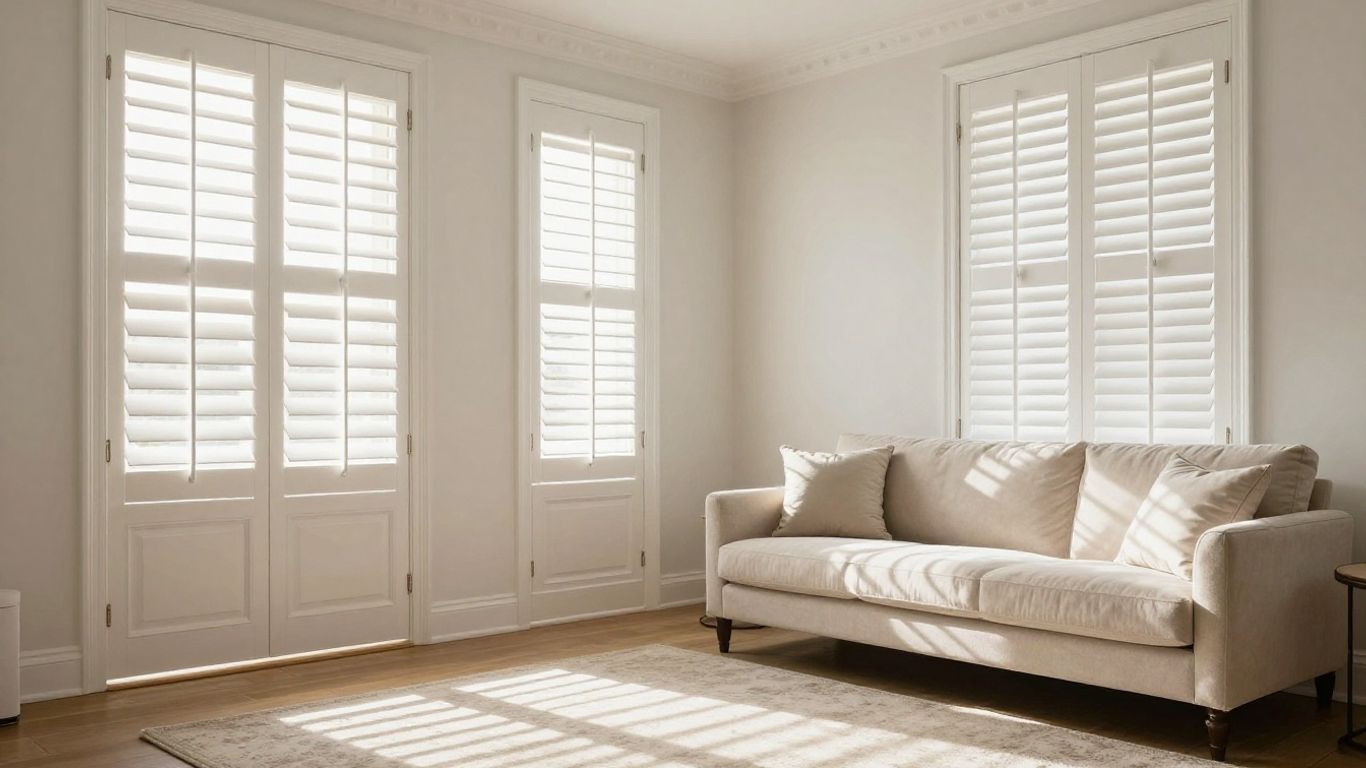
Plantation shutters are a fantastic addition to any home, bringing both style and function. But like any good investment, they need a little care to keep them looking their best and working properly for years to come. Thankfully, keeping them in shape isn't a huge chore.
Regular Cleaning and Upkeep
The simplest way to keep your plantation shutters looking great is through regular, gentle cleaning. Dust is the main enemy, and it can build up surprisingly fast. A quick wipe-down is usually all that's needed.
Here’s a basic routine:
- Daily/Weekly Dusting: Use a soft microfiber cloth, a feather duster, or the brush attachment on your vacuum cleaner. Gently wipe down the louvers and frames. For those hard-to-reach spots, a soft brush works wonders.
- Occasional Wiping: If you notice smudges or grime, use a slightly damp (not wet!) cloth. For most materials, plain water is fine. If you have stubborn spots, a tiny bit of mild dish soap mixed with water can help. Always wipe dry afterward to prevent water spots.
- Deep Cleaning: For a more thorough clean, especially on wood shutters, you might use a wood-specific cleaner. Always test in an inconspicuous area first. For vinyl or composite shutters, a gentle all-purpose cleaner is usually safe.
Remember to always check the manufacturer's recommendations for your specific shutter material. Some finishes or materials might require special care to avoid damage or discoloration.
Refinishing and Painting Options
If your shutters are made of real wood, you have the option to refresh their look if they become worn or if you simply want a change. This can be a great way to update your decor without replacing the shutters entirely.
- Refinishing: This involves sanding down the existing finish and applying a new stain or sealant. It's a more involved process but can restore shutters to their original glory or give them a completely new hue.
- Painting: You can also paint wooden shutters. This is a good option if you want to match them to a new color scheme. Proper preparation, including cleaning, sanding, and priming, is key to a smooth, durable finish. You can even find specialized shutter paints for a more professional result.
While DIY refinishing or painting is possible for those with the right skills and tools, it's a project that can be time-consuming. If you're not comfortable with the process or want a flawless finish, consider hiring a professional. They have the experience and equipment to get the job done right, ensuring your shutters look fantastic and are protected for the future. For homeowners in areas like Atlanta, finding local professionals who understand window treatments can be a good idea for expert installation and maintenance advice.
The Last Word on Plantation Shutters
So, there you have it. Plantation shutters are more than just window coverings; they're a solid choice for making your home look good and work better. They give you control over light and privacy, look great with pretty much any style, and can even help save a bit on your energy bills. Plus, they're built to last, meaning you won't be replacing them anytime soon. Whether you're going for a cozy vibe or a sleek modern feel, these shutters just seem to fit. It's a smart move that adds lasting appeal to your place.
Frequently Asked Questions
Are plantation shutters old-fashioned?
Not at all! Plantation shutters have a classic look that stays stylish in homes today. They're a timeless choice that never really goes out of fashion.
Can plantation shutters be painted or changed?
Yes, especially if they're made of wood. You can paint them a new color or even refinish them if you want to update their look to match your room's style.
Are plantation shutters hard to clean?
Cleaning them is pretty easy. Just dusting them regularly and wiping them down with a damp cloth now and then is usually enough to keep them looking great.
Do plantation shutters help save energy?
Yes, they do! They act like an extra layer of insulation for your windows. This helps keep your home cooler in the summer and warmer in the winter, which can lower your energy bills.
Are plantation shutters a good investment?
Many people think so. They make your home look nicer and can even add to its value. They're built to last a long time, so they're a smart choice for the future.
Can I install plantation shutters myself?
If you're good at DIY projects, you might be able to install them. However, getting a professional to do it usually makes sure they fit perfectly and work just right.
Ready to Explore Your Options?
Blind Pros serves homeowners across the Atlanta metro — Fulton, Cobb, DeKalb, Fayette, Forsyth, and Cherokee counties. Call 770-609-7773 or request a free quote online.