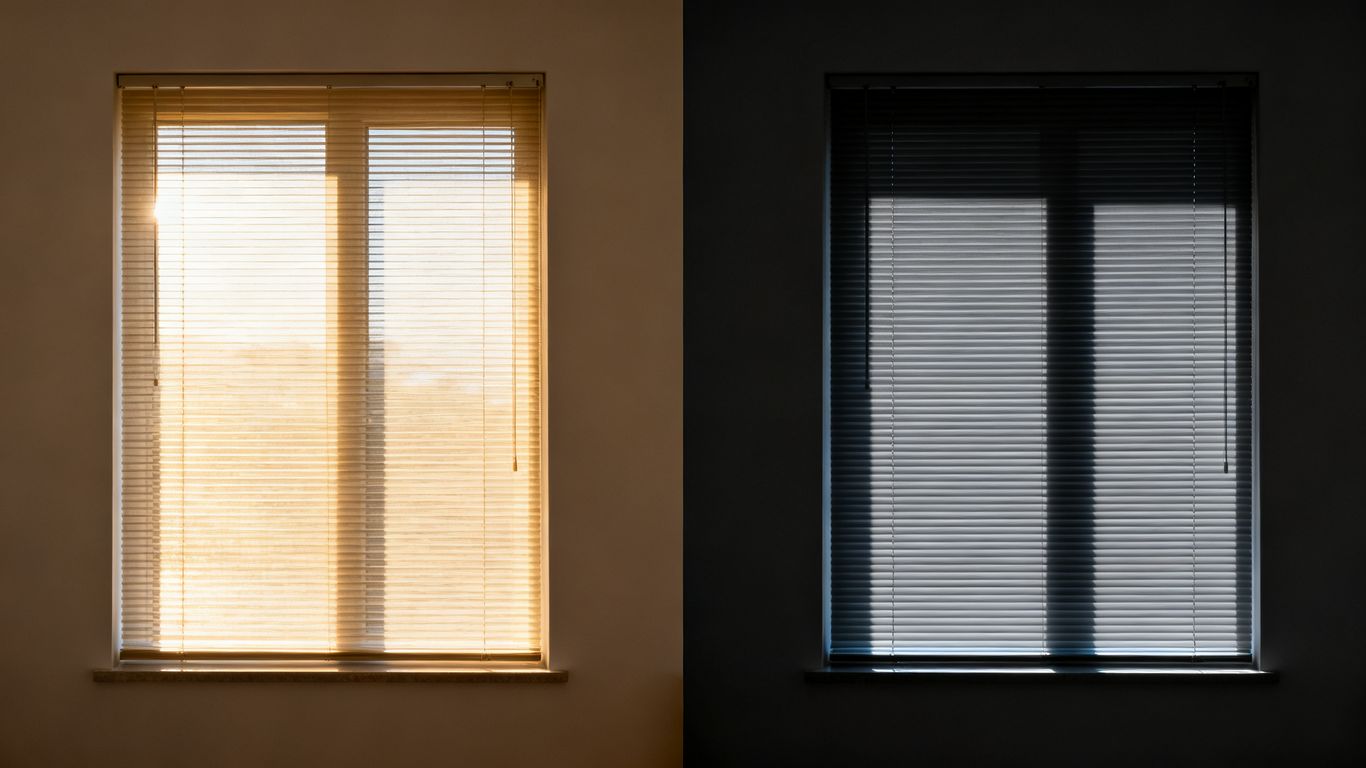
Picking out new window treatments can feel like a big decision, right? You want your place to look good, but you also need them to actually do their job. One of the main things to figure out is how much light you want to let in, or keep out. That's where the whole blinds light filtering vs room darkening thing comes in. It's not as complicated as it sounds, and figuring out the difference will help you make your home feel just right.
Key Takeaways
- Light filtering blinds let in some sunlight, softening it for a diffused glow, while room darkening blinds block out most light for more privacy and less glare.
- The main difference between light filtering and room darkening blinds comes down to the fabric's weave and construction, which determines how much light passes through.
- For living areas and kitchens, light filtering blinds are often a good choice to keep things bright and welcoming.
- Bedrooms and nurseries usually benefit more from room darkening blinds to help with sleep and naps.
- You can layer different types of window treatments, like using light filtering blinds with curtains, or opt for dual roller shades that combine both functions for ultimate flexibility.
Understanding Light Control: Blinds Light Filtering vs Room Darkening
When you're picking out new blinds, one of the first big decisions you'll face is how much light you actually want to let into your rooms. It sounds simple, right? But there's a whole spectrum of options out there, and the terms 'light filtering' and 'room darkening' can get a little confusing. Let's break down what they really mean so you can make the best choice for your home.
Defining Light Filtering Blinds
Light filtering blinds are designed to soften the sunlight that comes through your windows. Instead of letting harsh, direct rays blast into your room, these blinds diffuse the light, creating a gentler, more ambient glow. Think of it like putting on sunglasses for your house. They still let plenty of natural light in, which is great for keeping spaces feeling bright and airy, but they take the edge off. This makes them a good choice for areas where you want natural light but don't want to be blinded by the sun, like a living room or a kitchen.
- Soften direct sunlight: They reduce glare without making the room feel dim.
- Maintain brightness: Natural light still fills the space.
- Offer daytime privacy: People outside can't easily see in during the day.
Light filtering window treatments are all about managing the intensity of sunlight, turning harsh beams into a pleasant, diffused illumination. They strike a balance, allowing light to enter while providing a degree of privacy and comfort.
Defining Room Darkening Blinds
Room darkening blinds go a step further than light filtering. Their main job is to significantly reduce the amount of light entering a room. While they might not block out every single speck of light like blackout blinds aim to do, they get pretty close. They're made with denser materials and tighter weaves, often with a liner, to create a much darker environment. This is ideal for spaces where you need to minimize light, such as bedrooms for better sleep or nurseries for nap times. They also offer a higher level of privacy.
- Block most light: Significantly reduces ambient light and glare.
- Create a darker atmosphere: Ideal for sleeping or watching movies.
- Provide strong privacy: Makes it very difficult to see into the room.
The Spectrum of Light Control
It's helpful to think of light control as a scale. On one end, you have sheer treatments that let almost all light through. Then comes light filtering, which softens and diffuses the light. Next is room darkening, which blocks a substantial amount of light. Finally, at the other end, you have blackout, which aims to block nearly 100% of light. Most blinds fall somewhere on this scale, and understanding where they sit helps you pick the right level for each room's specific needs. For example, you might want light filtering blinds for your main living areas but opt for room darkening for your bedroom.
| Light Control Level | Light Transmission | Primary Benefit |
|---|---|---|
| Sheer | Very High | Maximum natural light |
| Light Filtering | Medium to High | Softened daylight |
| Room Darkening | Low to Medium | Reduced light, privacy |
| Blackout | Very Low | Maximum darkness |
Key Differences in Light Blocking Capabilities
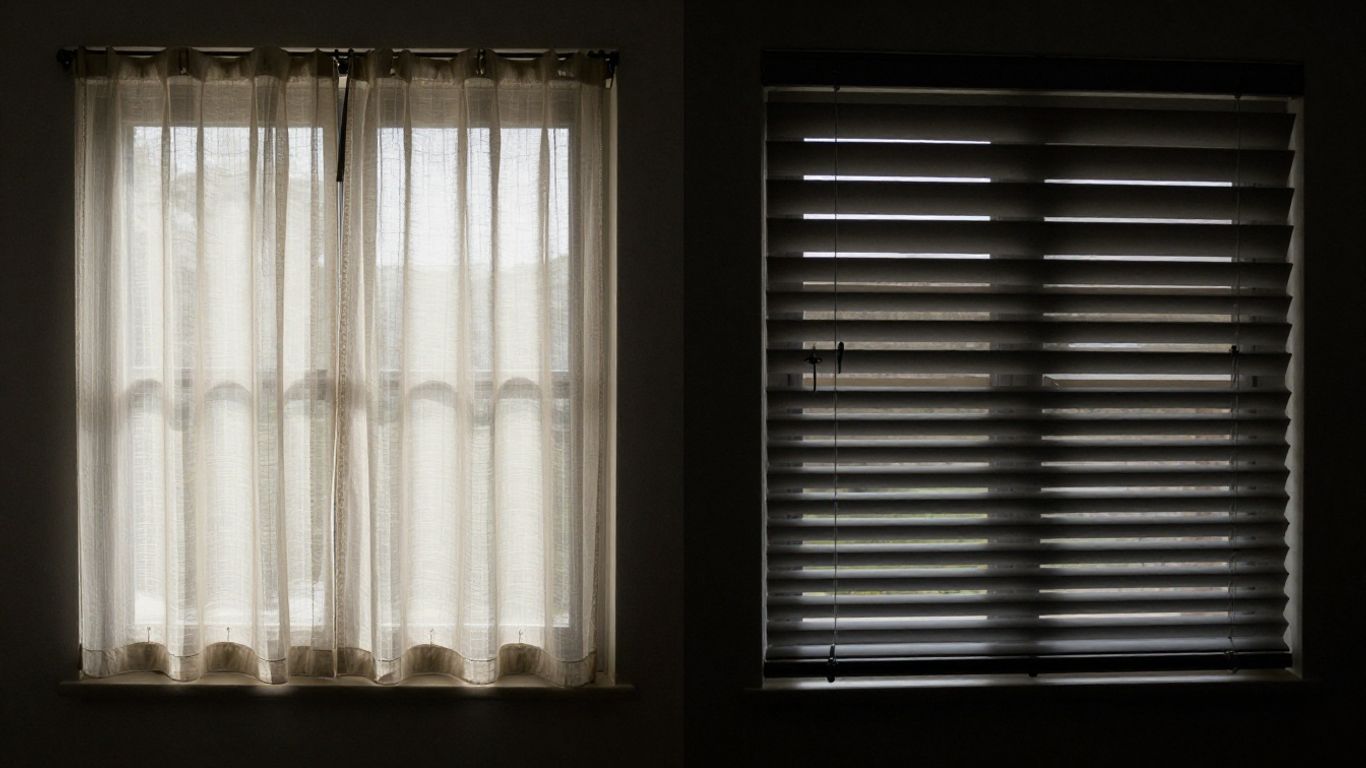
So, how do these blinds actually work differently when it comes to stopping or letting light through? It really comes down to what they're made of and how they're put together. Think of it like this: one is like a sieve, and the other is more like a solid wall.
How Light Filtering Blinds Manipulate Sunlight
Light filtering blinds are designed to soften the sun's rays, not block them completely. They let light pass through, but in a more diffused way. This means you still get natural light in your room, which can make it feel brighter and more welcoming, but without that harsh glare. It’s like putting a sheer curtain over a bright window – the light is still there, but it’s gentler. This gentle diffusion is perfect for rooms where you want to enjoy the daylight without being blinded by it. They're great for letting you see outside too, so you don't feel totally cut off from the world. You can still enjoy a view of your neighborhood while getting some privacy.
How Room Darkening Blinds Reduce Light
Room darkening blinds, on the other hand, are built to significantly reduce the amount of light entering a space. They don't necessarily block all light like blackout blinds do, but they get pretty close. The goal here is to make the room feel much darker, which is ideal for activities like watching movies or getting a good night's sleep. They achieve this by using denser materials and tighter weaves that don't let as much light sneak through. While they offer a high level of privacy, especially at night, you might still see a faint glow around the edges or through very small gaps.
The Role of Fabric and Construction
When we talk about how blinds block light, the fabric and how the blind is constructed are super important. Light filtering blinds often use woven materials that have a certain 'openness factor' – this just means how much light can pass through the weave. The tighter the weave, the less light gets through, but it's still designed to let some light in. Room darkening blinds use fabrics that are much denser and less porous. Sometimes, they might have a special lining or coating to help them block more light. The construction also matters; for example, how well the edges of the blind fit against the window frame can make a big difference in how much light escapes. It's a combination of the material's properties and the overall design that determines the final light control level.
The difference between light filtering and room darkening blinds boils down to their primary purpose: one aims to soften and diffuse light, while the other aims to significantly reduce it. This distinction is primarily achieved through the choice of fabric density and the way the blind is constructed to minimize light leakage.
Choosing the Right Blinds for Each Room
So, you've got a handle on what light filtering and room darkening blinds actually do. Now comes the fun part: figuring out where each type shines (or doesn't shine, as the case may be!). It's not a one-size-fits-all situation, and what works in your living room might be a total miss in your bedroom. Let's break it down room by room.
Light Filtering for Living Areas and Kitchens
Think about your living room or kitchen. You probably want some natural light to come in, right? You don't want it to feel like a cave, especially during the day. Light filtering blinds are usually the go-to here. They let in enough daylight to keep things bright and airy, making it pleasant for hanging out, cooking, or entertaining. Plus, they offer a decent amount of privacy without completely blocking the outside world. It’s about finding that sweet spot where you get light without the glare.
- Living Rooms: Perfect for diffusing harsh sunlight, keeping the space comfortable for relaxing or hosting guests.
- Dining Rooms: Creates a warm ambiance for meals, softening the light so it's not too bright.
- Kitchens: Keeps the workspace bright and easy to see while cooking, but without direct, blinding sun.
Room Darkening for Bedrooms and Nurseries
Now, bedrooms and nurseries are a different story. Sleep is pretty important, and sometimes, you just need darkness. Whether it's blocking out that early morning sun that creeps in, streetlights at night, or just creating a calm environment for a baby's nap, room darkening blinds are your best friend. They significantly reduce light, making it easier to fall asleep and stay asleep. While they aren't completely blackout, they block out enough light for most people's needs. If you need absolute darkness, you might consider blackout shades as an alternative or a layer.
- Bedrooms: Ideal for blocking out disruptive light, especially if you have east-facing windows or light pollution.
- Nurseries: Helps create a dark, quiet environment conducive to napping and better sleep for little ones.
- Media Rooms: If you have a space dedicated to watching movies, room darkening blinds are a must to reduce glare on screens.
Balancing Light and Privacy in Home Offices
Home offices can be tricky. You need light to work, but too much can cause glare on your computer screen, leading to eye strain and general discomfort. You also need privacy, especially if you're on video calls. This is where you might need to get a bit creative. Solar shades with different openness levels can be great, allowing you to filter light and reduce glare while still letting you see outside. Transitional shades, which let you adjust the light more precisely, are also a good option. Sometimes, layering is the answer – maybe a light filtering shade with a blackout roller behind it for when you really need to focus or darken the room.
The key in a home office is flexibility. You want to be able to adjust the light throughout the day as the sun moves and your needs change. It's about creating a comfortable and productive environment, not just a dark or bright one.
Ultimately, the best window treatment for your home is one that meets the specific needs of each space. Don't be afraid to mix and match different types of blinds throughout your house to get the perfect balance of light, privacy, and comfort for every room. It's all about making your home work for you. For more ideas on selecting the ideal window treatment, consider comparing these options.
Benefits Beyond Light Control
Window blinds do more than just play with the light in your home. They actually offer a few other perks that can make your living space more comfortable and even help protect your stuff. It’s not just about making a room dark or letting a little light in; there are other good things happening too.
Enhancing Privacy with Your Blinds
This is a big one, right? Nobody wants to feel like they're living in a fishbowl. Blinds, whether they filter light or darken a room, give you that much-needed shield from prying eyes. Light filtering blinds offer a nice balance – you can see out, but people can't easily see in, especially during the day. Room darkening and blackout blinds take privacy to the next level, giving you complete seclusion. It’s about feeling secure in your own home, and blinds play a major role in that. You can adjust them throughout the day to get just the right amount of privacy you need, whether you're working from home or just want to relax without feeling exposed.
UV Protection for Furnishings
Did you know that the sun's rays can really do a number on your furniture, carpets, and even your artwork over time? That constant exposure can cause colors to fade and materials to degrade. Light filtering blinds are particularly good at blocking a significant portion of these harmful ultraviolet (UV) rays. While they let in light, they diffuse it, acting like a gentle shield. Room darkening and blackout blinds offer even more protection because they block so much more light. Think of it as sunscreen for your home's interior. It helps keep your belongings looking newer for longer, saving you money and hassle in the long run.
Improving Sleep and Screen Comfort
This is where room darkening and blackout blinds really shine. If you're sensitive to light when you sleep, or if you have a young child who needs daytime naps, these types of blinds are a game-changer. They create a dark environment that signals to your brain it's time to rest, leading to better quality sleep. Plus, if you have a home theater or just like to watch TV in a dimly lit room, these blinds cut down on glare. It makes watching movies or working on your computer much more comfortable. You can even find smart blinds that can be programmed to open and close at specific times, helping to regulate your sleep schedule [dd9d].
Here's a quick look at how different blind types can help:
- Light Filtering: Softens daylight, reduces glare for screens, provides daytime privacy.
- Room Darkening: Significantly reduces light for better sleep, blocks most external light, offers high privacy.
- Blackout: Blocks nearly all light for maximum darkness, ideal for sleep and media rooms, provides ultimate privacy.
Choosing the right blinds isn't just about aesthetics; it's about creating a functional and comfortable living space. The ability to control light and privacy directly impacts your daily life, from how well you sleep to how long your furniture lasts.
Factors Influencing Your Choice
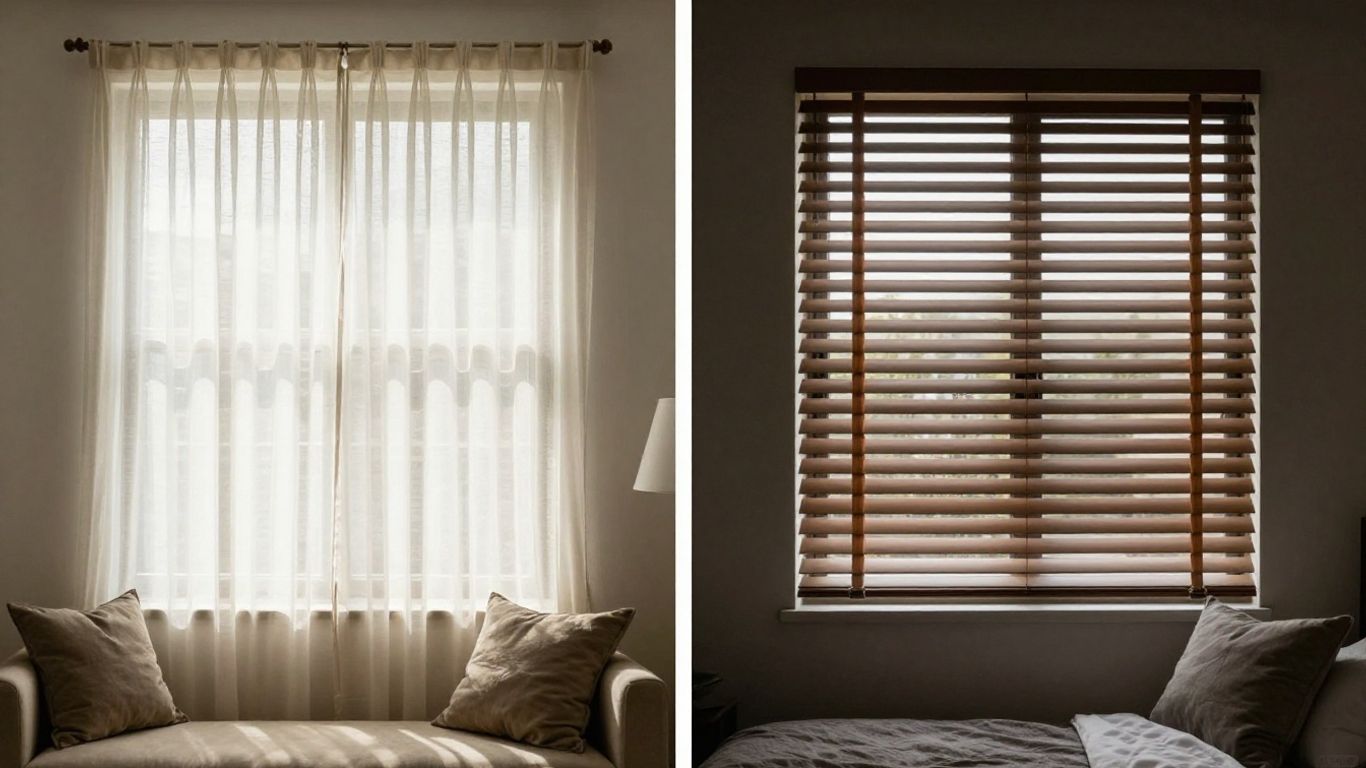
So, you're trying to figure out which blinds are best, huh? It's not just about blocking light, though that's a big part of it. You've got to think about a few other things too, to make sure you're really happy with your choice.
Considering Window Direction and Sunlight Intensity
Where your windows face makes a huge difference. A window that gets direct sun all afternoon, especially on the west side, is going to get a lot hotter and brighter than one facing north. This means you might need something with more serious light-blocking power for those sunny spots. On the flip side, a window that gets indirect light might be perfectly fine with something that just softens the rays.
- West-facing windows: Often get intense afternoon sun. Consider room darkening options here if you want to keep the room cooler and darker.
- East-facing windows: Get morning sun. Light filtering might be enough to soften this light without making the room too dark.
- North-facing windows: Receive consistent, but usually softer, light throughout the day. Light filtering blinds are often ideal.
- South-facing windows: Get direct sun for a good portion of the day. The intensity can vary, but room darkening might be a good idea for comfort.
The Impact of Room Purpose on Light Needs
Think about what you actually do in each room. A bedroom needs to be dark for sleeping, right? But your kitchen might need to be bright for cooking. It’s about matching the blind’s job to the room’s job.
Different rooms have different needs. What works for your living room might be a total miss for your bedroom. It’s all about figuring out the main function of the space and picking blinds that help you achieve that.
Exploring Layering and Dual Roller Options
Sometimes, one type of blind just doesn't cut it. That's where layering comes in. You could have light filtering blinds and then add heavier drapes on top for when you need more darkness or privacy. Or, check out dual roller blinds. These are super handy because they have two different shades on one window – maybe a sheer one for daytime and a blackout one for nighttime. It gives you a lot of flexibility.
- Layering: Combine light filtering blinds with curtains or drapes for adjustable light control and style. This is a great way to get the best of both worlds.
- Dual Roller Blinds: These offer two shades in one unit, providing maximum versatility for different times of day and light needs. You can often find light filtering blinds paired with a room darkening option.
- Motorization: For hard-to-reach windows or just for convenience, consider motorized blinds that you can control with a remote or app. This makes adjusting light levels a breeze.
So, Which Blinds Are Best?
Alright, so we've talked a lot about light filtering and room darkening blinds. It really comes down to what you need for each room. If you want a soft glow and to still see outside, light filtering is probably your go-to. But if you're trying to get a good night's sleep or make a home theater space, room darkening or even blackout is the way to go. Think about how you use each room and what kind of vibe you're going for. It’s not a one-size-fits-all situation, but hopefully, this helps you pick out the perfect blinds for your place.
Frequently Asked Questions
What's the main difference between light filtering and room darkening blinds?
Think of it like this: light filtering blinds let some sunlight through, making it softer and more spread out, like a gentle glow. Room darkening blinds block out a lot more light, making the room much dimmer, but not completely dark. They're good for when you want less light but don't need total darkness.
Do room darkening blinds block all light?
Not quite all. Room darkening blinds significantly reduce the amount of light entering a room, making it much darker. However, a small amount of light might still sneak in, especially around the edges. If you need absolutely no light, blackout blinds are a better choice.
Can I use light filtering blinds in my bedroom?
Yes, you can! Light filtering blinds are great for bedrooms if you enjoy waking up to a softer, more natural light. They provide privacy while still letting in a pleasant amount of daylight. If you prefer a darker room for sleeping, you might consider room darkening or blackout blinds instead, or layer light filtering blinds with curtains.
Which type of blinds is best for a home office?
For a home office, it's often best to have control over the light. Light filtering blinds can be good because they reduce glare on your computer screen without making the room too dark. Some people like transitional blinds or solar shades that let you adjust the light easily. Room darkening blinds can also work if you need to focus without distractions.
Will light filtering blinds protect my furniture from the sun?
Light filtering blinds offer some protection against the sun's harmful UV rays, which can cause furniture and flooring to fade. However, blackout blinds provide the most UV protection because they block nearly all light. If protecting your belongings from fading is a top priority, consider blackout blinds or blinds with a special UV-blocking coating.
Can I combine different types of blinds in my home?
Absolutely! Many people mix and match blinds to suit each room's needs. For example, you might use room darkening blinds in your bedroom for better sleep and light filtering blinds in your living room to keep it bright and welcoming. Some blinds even come as 'dual rollers,' with one shade for light filtering and another for room darkening on the same window.
Ready to Explore Your Options?
Blind Pros serves homeowners across the Atlanta metro — Fulton, Cobb, DeKalb, Fayette, Forsyth, and Cherokee counties. Call 770-609-7773 or request a free quote online.